
By Diego Salazar
Participation in cultural life is a human right that is not guaranteed equally and, in a multicultural society such as Spain, it is urgent to ensure this right also for migrant and racialized populations.
Culture plays a key role in social transformation because of its ability to connect people; it activates spaces for dialogue and encounter, encourages the expression of diverse ideas and identities, promotes the development of critical and creative skills, enables the creation of shared imaginaries, and fosters community self-organization. Ultimately, it provides the foundations for people to intervene in the public sphere and actively participate in the social and political debates that affect them. Therefore, guaranteeing the right to cultural participation for communities living on the margins is not only a matter of visibility — although that is important too — but also an entry point for defending all other rights. If 31% of the people living in Barcelona were born outside Spain, we have the right to ask ourselves: Where are we represented in the city’s cultural ecosystem? Why are we not central in the decision-making spaces of institutions, cultural venues, and programming? Are our cultural contributions valued as an essential part of this city? Is it possible to transform these dynamics that relegate us to a peripheral role in local culture?
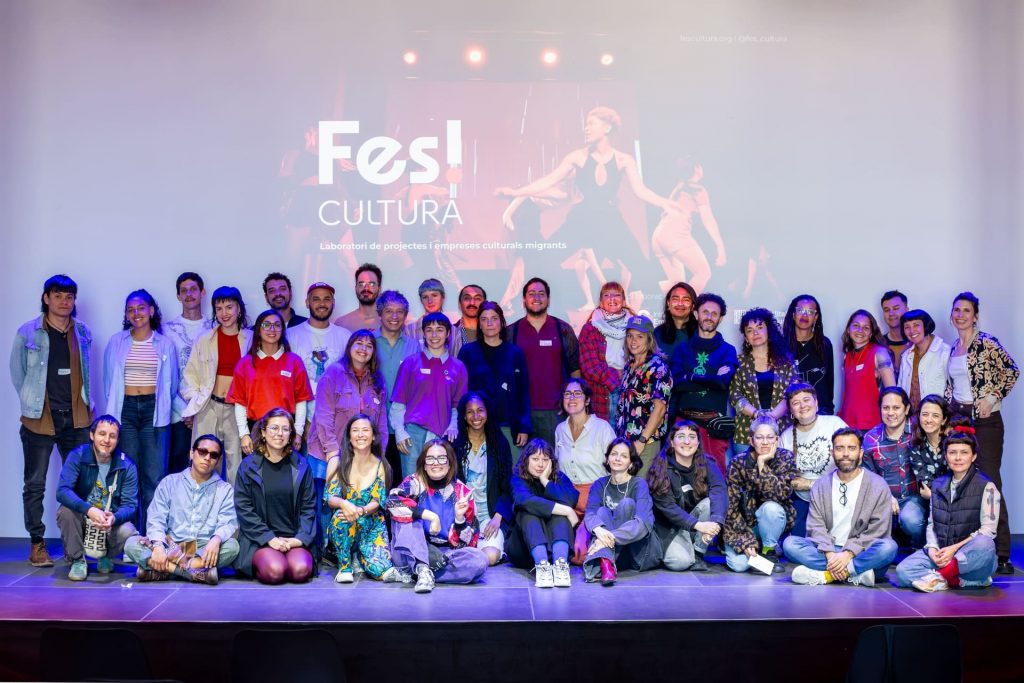
At Fes! Cultura, we have long been activating this conversation among migrant and racialized people working in culture, in order to imagine proposals that help more and more people in this city — especially those of us who have come from elsewhere — become part of the local cultural community. Not because we want to replace what already exists or demand more than those who identify as locals have, but because we want to participate on equal terms, contribute to public debates, and be part of decision-making spaces. Because we live here, because we have the need to create and express ourselves, to project our cultural identities, to build spaces for connection and to face collective challenges — not only our own, but those of everyone.
Migrant people are invited to participate as learners of hegemonic artistic practices, without being given access to spaces of governance.
It is evident that we start from a disadvantaged position when trying to actively participate in culture while having a foreign background, especially if we come from countries of the Global South. The lack of networks, racism, the scarcity of references, language barriers, obstacles to citizenship, uprootedness, precarity, lack of knowledge of the cultural and administrative system, and many other factors are barriers that push us to the margins of a cultural environment we perceive as distant, exclusionary, and hostile. And although countless migrant individuals and collectives are gradually carving out a place in the city, relationships with local institutions and organizations are not always easy. Many of the initiatives proposed to us risk falling into tokenistic practices, meaning that migrant and racialized people are incorporated merely to fulfill harmless quotas that create the appearance of diversity while, in reality, diversity is not central. Assistance-based methodologies are also common, in which migrant people are invited to participate as learners of hegemonic artistic practices without access to governance spaces. There are also extractivist dynamics that appropriate the knowledge and value of “diversity,” excluding the people who contribute their knowledge and treating them as mere objects of study. Many institutions proclaim intercultural approaches that celebrate differences while being incapable of taking a stand in defense of migrant rights or denouncing colonialism. But what can we do to change this situation? What concrete proposals are within our reach?
Access to Culture
Most cultural policies aim to guarantee equal access to culture. However, this dimension is approached from a cultural supply logic. In other words, cultural institutions create programmes and strive to make them accessible to the general population. But who decides these programmes? Are the interests and needs of migrant and racialized populations taken into account? Are references from these communities incorporated into programming and management teams? Is there an effort to include non-hegemonic cultural practices? Are there internal debates about Eurocentrism, cultural homogenization, and anti-racism?
Who decides these programmes? Are the interests and needs of migrant and racialized populations taken into account?
Cultural diversity demands a shift in the approach to cultural access policies in order to respond to the needs of a constantly transforming population. It is no longer enough to analyse the interests of those who attend cultural venues occasionally or regularly; institutions must also interact with people who do not participate despite having the right to do so. One of the main challenges that programming and audience development teams should face is ensuring that the people who use cultural services reflect the demographic profile of the territory. Because it is not enough to simply open the doors — strategies must also be developed to invite people in, or for cultural venues to extend themselves into the places where people already create culture.
Actively Participating in Culture
For everyone to actively participate in culture, the right to freely develop one’s own talent must be protected through spaces for artistic and cultural practice, creation, and expression, as well as access to educational resources.
In Barcelona, it is still necessary to guarantee access to continuous cultural training for diverse communities and to promote non-hegemonic artistic practices. More spaces for training, support, and promotion are needed so that migrant creators can develop their artistic and cultural projects and integrate them into the local cultural system. Furthermore, creation and production programmes must take into account the social conditions faced by these collectives. The creation of living mapping systems and work networks can facilitate connection and resource exchange.
By opening spaces to diverse cultural products, social benefits are generated, new audiences are incorporated, and value is added to the sector.
At this point, incorporating migrant and racialized cultural references into academia, the media, and the cultural circuit in general should be a priority. This would make visible the artistic and cultural expressions of the diverse communities living together in the city, breaking with established hegemonic patterns and promoting new trends. The inclusion of new references in the cultural scene should not be considered an act of charity, but rather an opportunity to enrich cultural offerings, attract new audiences, and foster innovation. By opening spaces to diverse cultural products, social benefits are generated, new audiences are incorporated, and value is added to the sector.
Community Cultural Practices
Community cultural practices are fundamental for social and cultural development, especially in diverse societies with cultural systems that tend toward homogenization, because they create spaces for the participation of communities whose cultural practices do not fit within the established canon. In general, these activities emerge outside institutional radar, but relegating them to the margins means depriving people of the resources that guarantee their right to form cultural communities and develop their creative potential.
Incorporating care as a culture in itself, recognizing the diversity of knowledge and sensitivities in this field.
It is time for us to adopt an expanded vision of culture that encompasses everyday practices such as cooking, craftwork, dance and popular music, festivities, oral storytelling, spiritual and religious practices, traditional games and sports, circles of dialogue, ancestral medicine, among many others. In addition, we must incorporate care as a culture in itself, recognizing the diversity of knowledge and sensitivities within this field. For this reason, it is essential to review and expand the category of “local popular culture” in order to reflect the diversity of cultural expressions present in the city.
It is also necessary to implement memory initiatives to recognize cultural figures valued by migrant communities, honouring their contributions and building a cultural identity that acknowledges other experiences and social contributions. This includes connection and collaboration among migrant communities at local, national, and European levels, recognizing that the challenges we face are shared and that collective work is essential for finding effective solutions.
Governance
Governance in culture means ensuring that everyone has the opportunity to actively participate in decision-making and in the management of resources that affect the cultural life of their community. We have the right to participate in the processes of designing, implementing, and evaluating cultural policies, both those developed by public institutions and those created by communities themselves. Because all of us, to a greater or lesser extent, are active creators of cultural policies.
We possess an unbeatable strength: the richness of our cultures, the power of our diversity.
In Barcelona, it is essential to create spaces and mechanisms that allow migrant communities to have a voice and vote in cultural decision-making. It may be necessary to implement quota policies that guarantee effective participation and representation. This would prevent participation from being merely symbolic and would promote the effective inclusion of diversity in cultural decision-making. We believe it is necessary to provide sustained resources over time to migrant cultural organizations so they can develop activities autonomously. A good institutional cultural policy should open up the field, encouraging organized communities outside institutions to push forward the proposals they consider necessary for their communities.
As we said at the beginning, it is evident that we start from a disadvantaged position when participating actively in culture while having a foreign background, especially if we come from countries of the Global South. But we possess an unbeatable strength: the richness of our cultures, the power of our diversity. A cultural force that is unstoppable, but above all one that is already here — alive, active, and eager to grow and become visible.
***
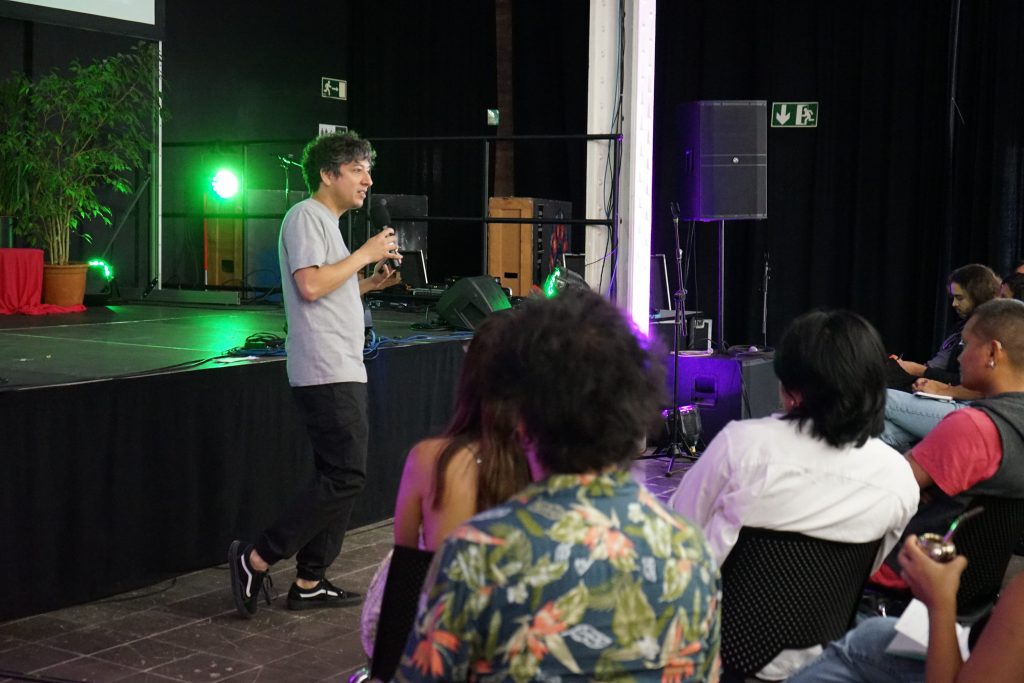
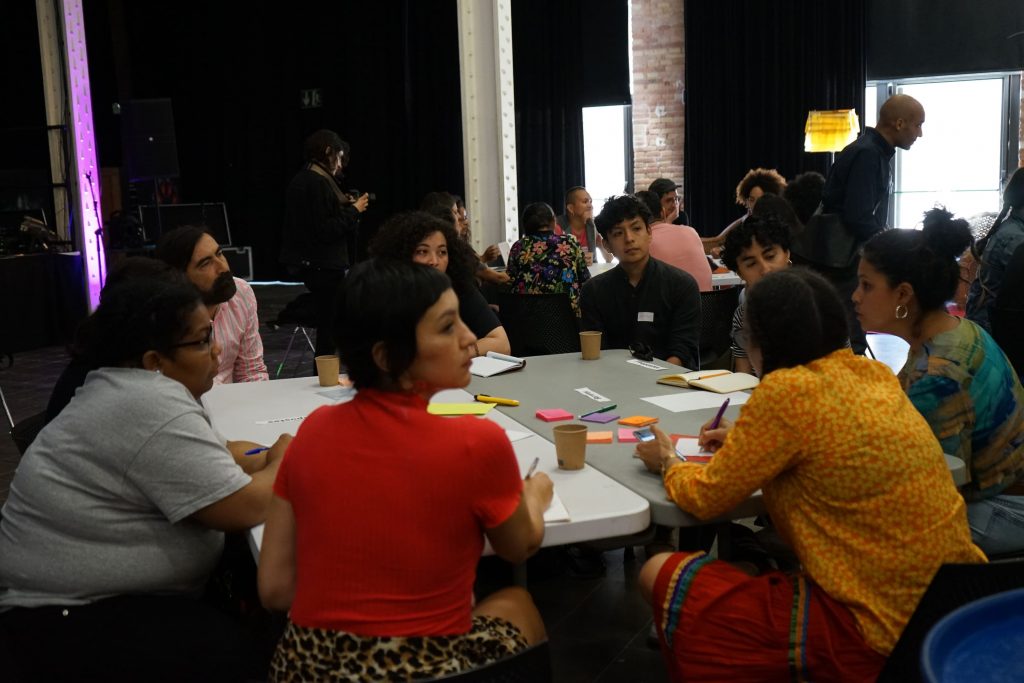
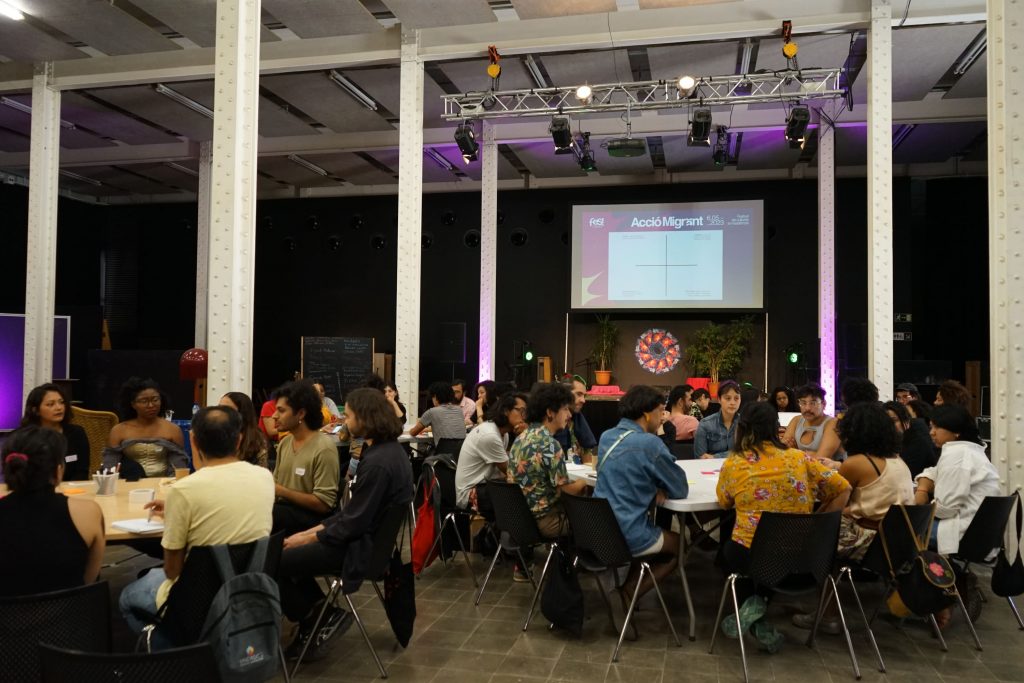
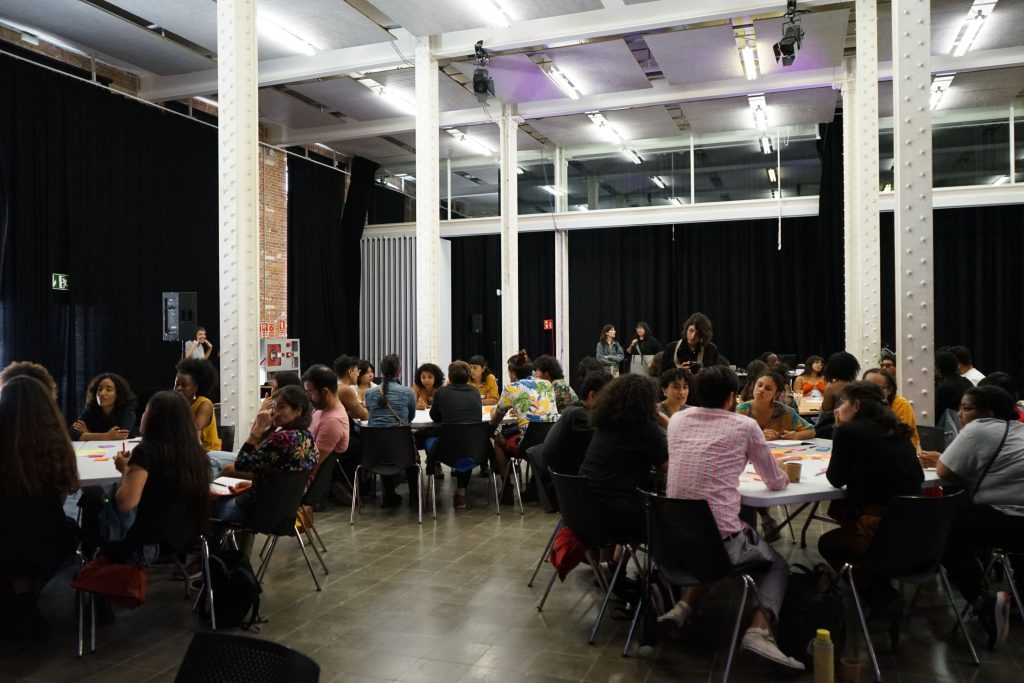
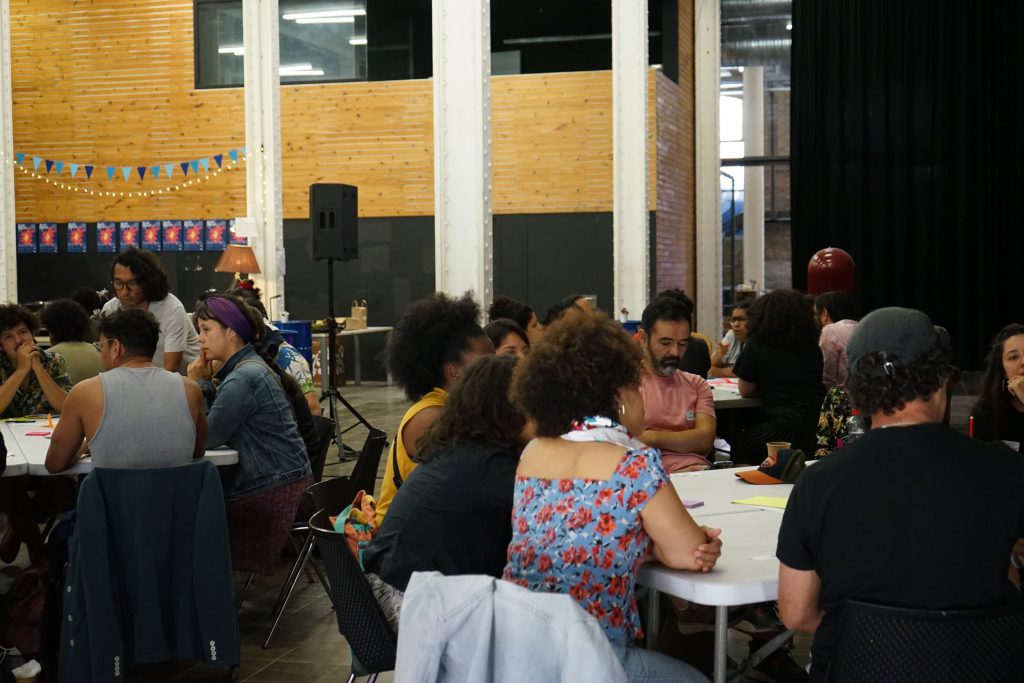
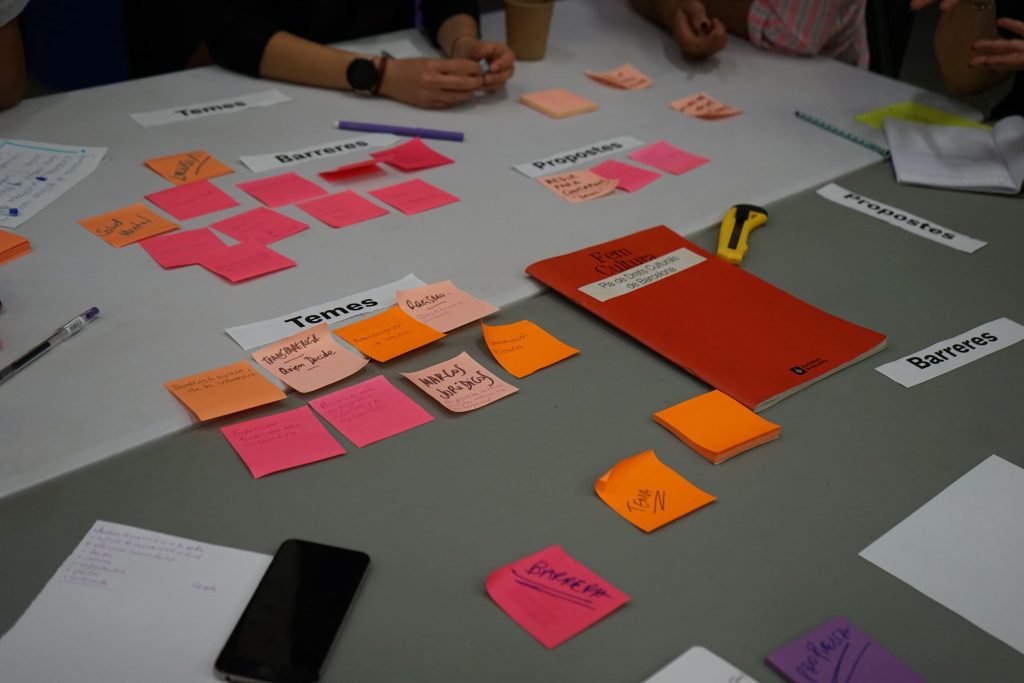
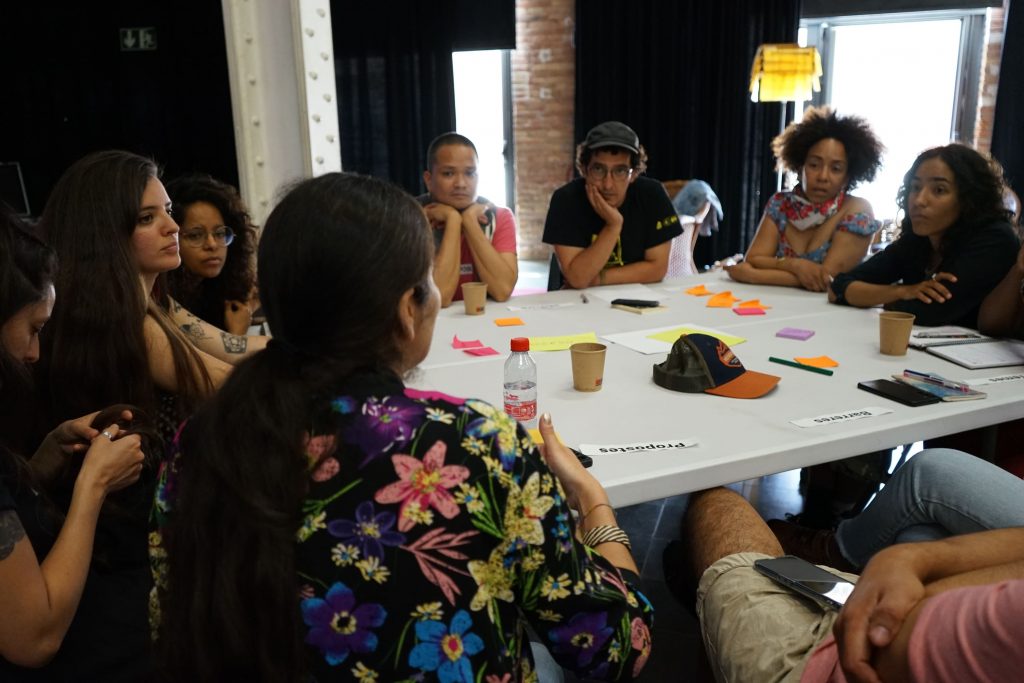
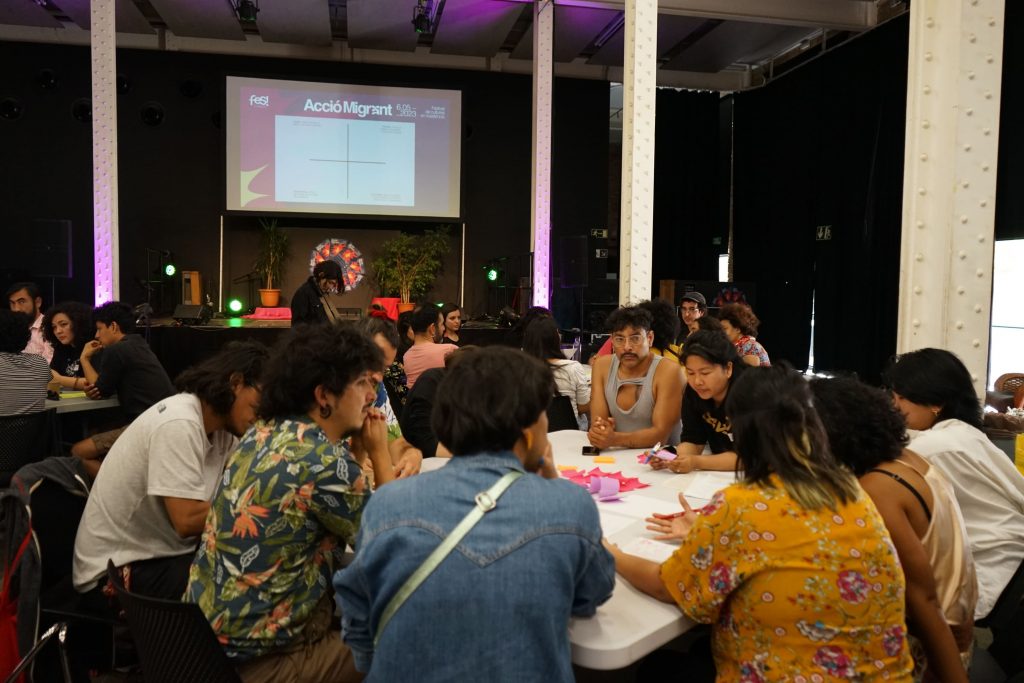
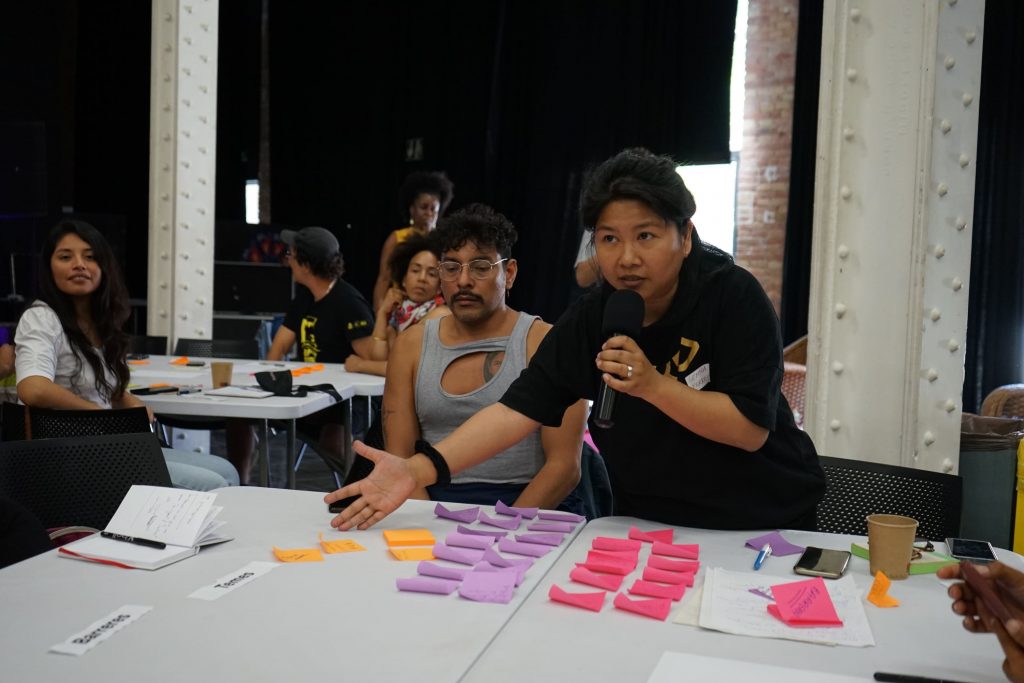
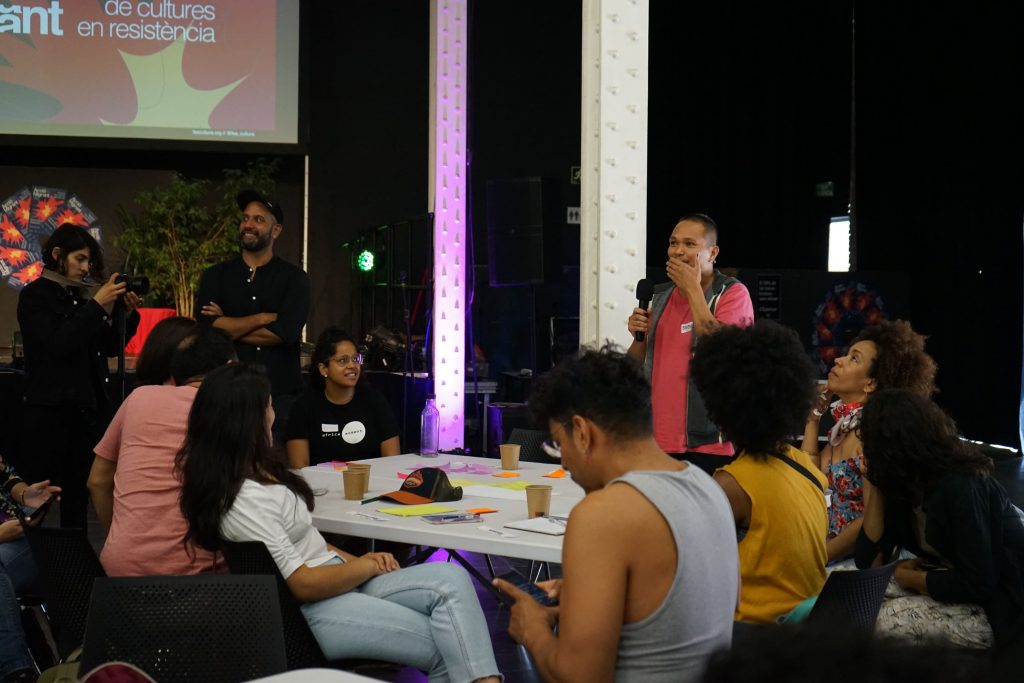
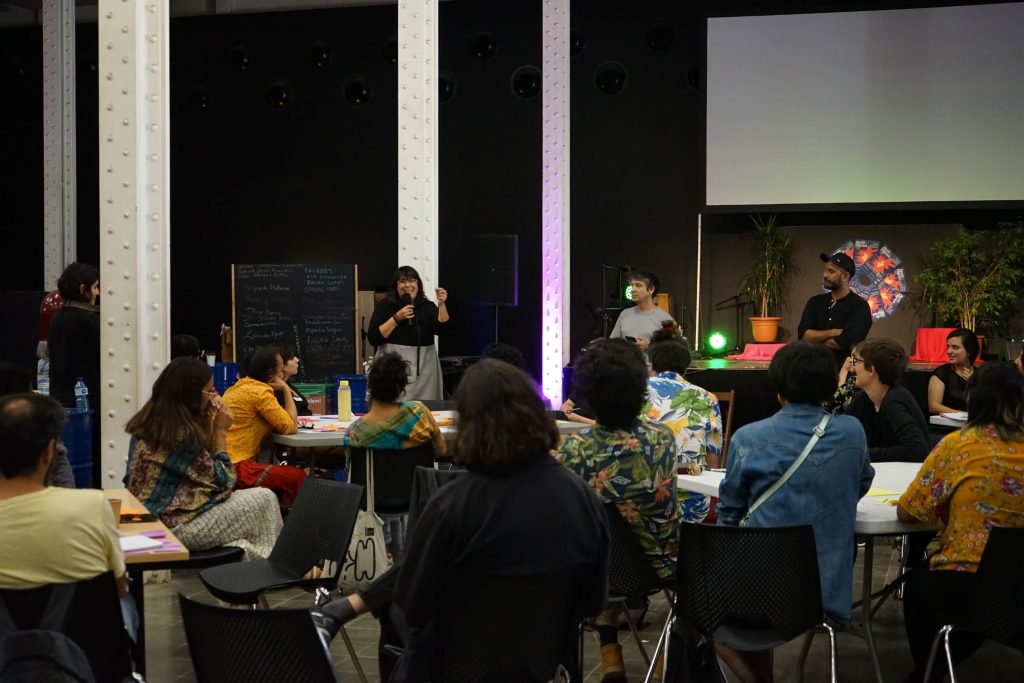
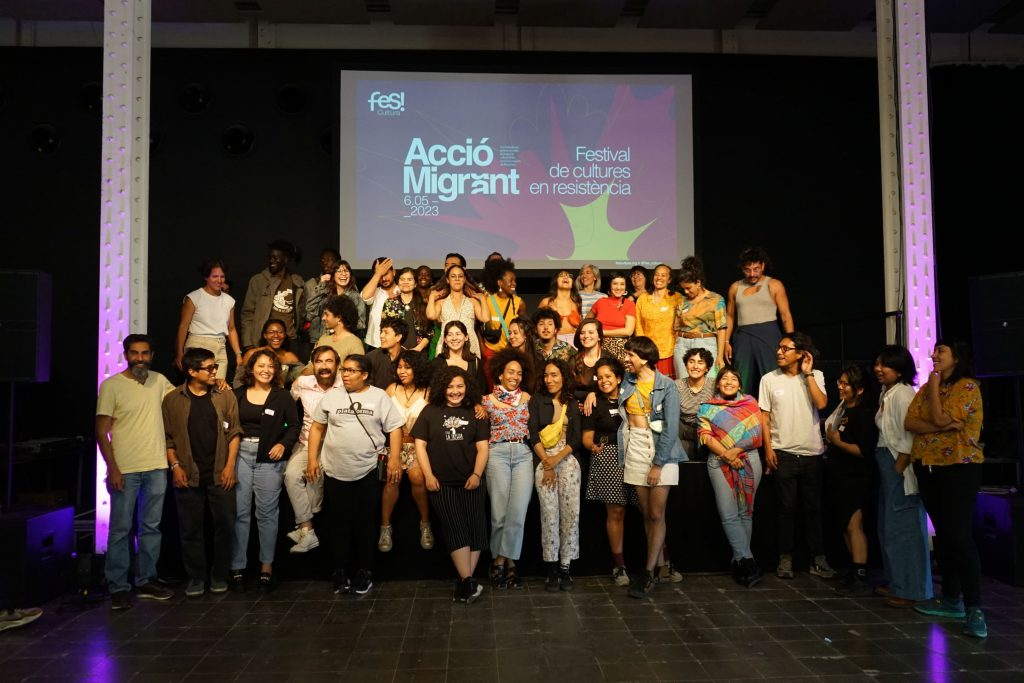
Note: this article gathers various contributions made during the Forum “Cultural Rights: How and for Whom?”, held on May 6 within the framework of AccióMigrant: Festival de culturas en resistencia, in collaboration with Espai Avinyó and Cultura Viva at Fabra i Coats: Fàbrica de Creación. From this event emerged the “12 urgent proposals to break barriers in the exercise of cultural rights by migrant and racialized collectives in Barcelona.”

Photos: Violeta Ospina