A modular online training programme aimed at equipping artists and cultural practitioners from diverse backgrounds with the skills to strengthen their professional competences.
Continue reading

A modular online training programme aimed at equipping artists and cultural practitioners from diverse backgrounds with the skills to strengthen their professional competences.
Continue reading
Talking about cultural rights means going beyond access to goods, services, venues, or programmes. Being able to attend a concert, visit a museum, or use a library is part of those rights, but it does not exhaust them. Culture is not simply something that some people produce and others receive. It is also a space where we build narratives, express identities, share knowledge, establish relationships, and take part in collective life.
Exercising cultural rights therefore means having real opportunities to create, express oneself, produce, organise, cooperate, and participate. It means recognising people not only as audiences for a cultural offer, but also as agents capable of launching initiatives, creating spaces, developing projects, and taking part in decisions that shape the cultural life of their territories.
The right to culture move beyond being understood solely as the right to access what others produce and become, as well, the effective possibility of creating, organising, and participating in the construction of cultural life.
This distinction matters. A society may have a rich cultural programme, good facilities, and high levels of cultural consumption while still offering few opportunities for someone to turn an idea into a project, find a space in which to develop it, organise with others, or access the resources needed to sustain it. Guaranteeing access is essential. But cultural democracy also requires us to expand people’s capacity to make culture.
Strengthening the cultural fabric is precisely about that capacity for action. It requires resources and funding that make it possible to develop projects, pay for work, and sustain processes over time. It also requires creating better conditions for people, collectives, and organisations to develop their own initiatives, make decisions with greater autonomy, build relationships, and give continuity to their work.
The capacity to act depends on many factors. It depends on available knowledge, on tools for designing and managing a project, on access to funding and spaces, on the strength of teams, and on relationships that make it possible to find collaborators, learning opportunities, and new possibilities. It also depends on the context in which these initiatives operate. A project may be well designed and supported by a capable team, yet still face major difficulties if there are no accessible spaces, if funding is unstable, or if cultural policies fail to recognise certain forms of organisation and participation.
That is why strengthening the cultural fabric means working simultaneously on the capacities of those who make culture and on the conditions that allow those capacities to develop. It means expanding the autonomy of cultural actors, facilitating the circulation of knowledge and resources, improving opportunities for cooperation and access, and creating environments in which a greater diversity of initiatives can emerge, grow, and be sustained over time.
This perspective leads us to a question we at Fes! Cultura have been asking ourselves for some time. Where can we act to strengthen the cultural fabric? If the cultural capacity of a territory depends on multiple factors, it seems clear that we need to work at more than one scale.
The first is projects. Many initiatives begin with an idea, an artistic practice, or a need identified in a particular territory. Turning them into viable projects requires knowledge, tools, support, resources, networks, and opportunities. Strengthening this scale means increasing the capacity of people and collectives to make decisions, plan, organise, and build sustainable proposals.
The second is organisations. Projects need structures that allow them to continue over time. Associations, cooperatives, foundations, cultural enterprises, and other teams accumulate knowledge, sustain relationships, and make it possible for an initiative not to depend permanently on the efforts of just a few people. Working on their strategy, organisation, governance, sustainability, and alliances helps consolidate this collective capacity.
The third is ecosystems. Even strong projects and solid organisations encounter limits when the environment in which they operate makes development difficult. Public administrations, institutions, cultural venues, and networks have the capacity to change those conditions through policies, programmes, funding, access to spaces, participation mechanisms, network activation, and forms of recognition that are more open to existing cultural diversity.
Strengthening the cultural fabric requires connecting these three scales. Increasing the capacity of those who lead projects, consolidating the organisations that sustain them, and improving the conditions in which they operate. Only then can the right to culture move beyond being understood solely as the right to access what others produce and become, as well, the effective possibility of creating, organising, and participating in the construction of cultural life.
By: Diego Salazar

A two-day gathering aimed at recognising, connecting and strengthening Pamplona’s migrant and racialised cultural fabric, creating spaces for reflection, exchange and collective action.
Continue reading
When migrants don’t build their own narratives, others build them for them. Mafe Carrascal, Representative to the Colombian Chamber, talks about culture, diaspora and political power in a new episode of Fes! Cultura Podcast recorded live in Barcelona.
Continue reading
On 9 June, #AccióMigrant – Project Activation Gathering will bring together participants to share the 26 initiatives developed over recent months.
Continue reading
Fes! Cultura Podcast with María José Pizarro
REGISTRATION CLOSED (full capacity)
🌟 Reminder for registered attendees: As capacity is limited, entry will be granted on a first-come, first-served basis until the venue is full. We recommend arriving early to secure your spot. You can also follow the event via Instagram Live:https://www.instagram.com/fes_cultura/
In 2009, during her exile in Barcelona, María José Pizarro developed the exhibition “I’ll Be Back. Carlos Pizarro, Memory for Peace”, presented at Casa Amèrica Catalunya. For her, this project marked a reunion with her father after 18 years of absence: an exercise in memory, repair, and dialogue that signalled her debut as a curator and cultural manager in the diaspora.
Years later, she starred in and co-produced the documentary “Pizarro” (2015, dir. Simón Hernández), which reconstructs her father’s life from an intimate perspective: a personal journey to reconcile with his legacy, understand the causes of his assassination in 1990, and recover a chapter silenced by violence and fear.
These two experiences, developed in Barcelona’s Poble-sec neighbourhood, had a strong impact in Colombia, leading María José to join the Bogotá Department of Culture, the National Centre for Historical Memory, and to begin a political career as a Member of the House of Representatives and later as a Senator, a position she currently holds.
In this conversation, we will explore how these cultural projects were developed and the meaning they have had both in her life and in Colombia’s recent history: the right to one’s own narrative, the power of art to transform the personal into the collective, and memory as a tool for repair. We will also reflect on the role of migrant cultural agents: a Colombia that exists beyond its borders but continues to act as a force for change.
The Fes! Cultura podcast is a space for conversation and reflection where artists, creators, and cultural agents share how their creative practices generate transformation in their lives, communities, and territories. From a diverse and committed perspective, the podcast highlights experiences that connect art and social change, showing how culture can be a tool to imagine and build more just, sustainable, and plural futures.
In collaboration with Fabra i Coats: Fàbrica de Creació y Sala Oasys Barcelona.
Cover photo: Gustavo Aguado

Challenges and opportunities of artistic creation, programming, and exhibition circuits in Barcelona from an anti-racist and intercultural perspective.
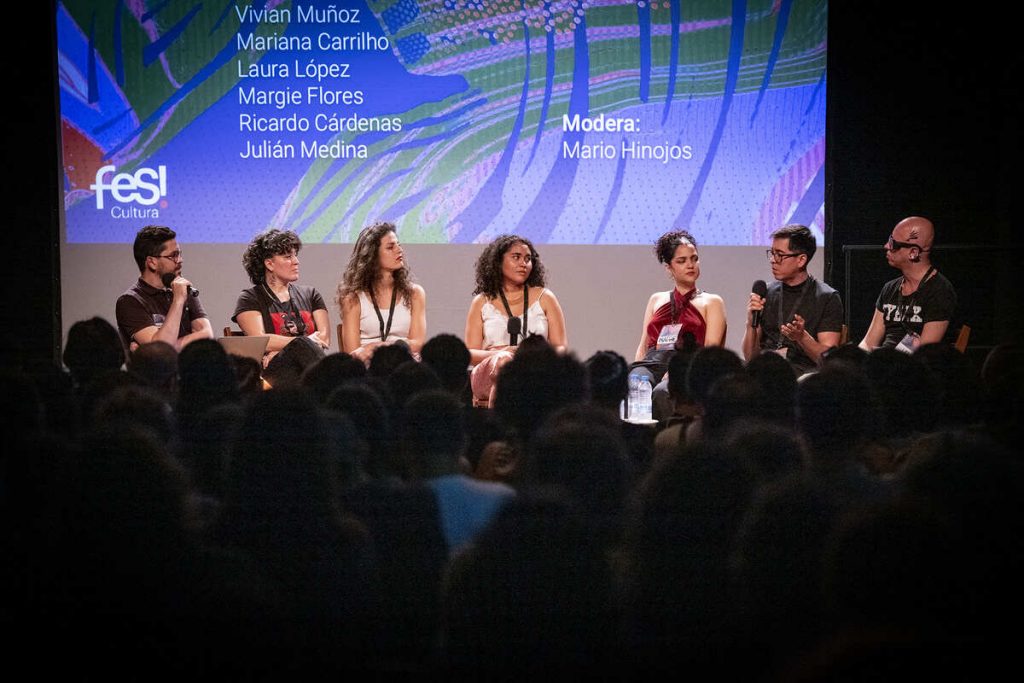
The “Fes! Cultura / Fem Circuits” conference is a collaborative working space aimed at analysing the challenges and opportunities of artistic programming and exhibition circuits in Barcelona from an anti-racist and intercultural perspective. Its objective is to generate knowledge and tools that foster a more diverse, accessible, and innovative Catalan cultural ecosystem, responding to the urgent need for cultural institutions and venues to reflect the plurality of origins and expressions present in the city.
Throughout the conference, both the challenges of access to programming circuits and the barriers within creation, production, and distribution processes will be addressed, understanding that exhibition is only the final step of an interdependent chain. Issues such as the precarization of cultural work will be analysed, as well as new forms of recognition and fair conditions for migrant and racialized artists. Through working groups, participants will imagine a possible future horizon and design actions to move towards this desired scenario.
The meeting will bring together cultural agents, artists, managers, and organizations from the fields of music, performing arts, visual arts, and audiovisual media, with the aim of sharing best practices, identifying obstacles, and proposing concrete actions to advance towards fairer and more representative cultural circuits.
09:45 – 10:15 | Welcome and introduction
Reception of participants and general framework of the conference: objectives, dynamics, and context of the activity within the framework of Fes Cultura! 2025.
10:15 – 11:00 | Presentation of best practices in cultural circuits
Short presentations by leading institutions and organizations. Centre d’Arts Santa Mònica, Barcelona Districte Cultural, Dones Visuals, Sala Paral·lel 62.
Each organization explains its approach, actions, and challenges in incorporating diversity into programming.
11:00 – 12:15 | Sector-based working groups
Division into 4 groups: Music, Performing Arts, Visual Arts, Audiovisual.
12:15 – 12:40 | Coffee break and networking
12:40 – 13:20 | Dynamic plenary and collective feedback
Agile and creative presentation of each group’s results.
13:20 – 13:30 | Closing and next steps
Final summary, acknowledgements, and reminder regarding the systematization and dissemination of results.
Diego Salazar (Coordination and moderation)
Cultural manager and researcher. Co-founder and director of Connectats Cooperativa, an agency specialized in the design and implementation of cultural programmes with social impact. Promoter of Fes! Cultura, a project incubator that fosters ecosocial transformation and the active participation of migrant and/or racialized people within the Spanish cultural ecosystem. He has led more than 25 initiatives in the fields of diversity, memory, education, and citizen participation, strengthening the local cultural fabric and promoting the exercise of cultural rights without discrimination. Holds a degree in Audiovisual Communication from the Universitat Pompeu Fabra and a master’s degree in Cultural Management from the Universitat de Barcelona.
Salima Jirari (Audiovisual)
Development content consultant specialized in diversity representation and researcher in the film industry. With fifteen years of experience in the audiovisual sector, she has worked with institutions and organizations such as Selecta Visión, DocsBarcelona, the Ministerio de Cultura, the Academia de Cine, Netflix, DAMA, Proimágenes Colombia, and Coofilm, as well as several universities. PEI MACBA Alumni, she currently also coordinates the Diversity, Equality, and Inclusion area at Dones Visuals.
Natalia Carminati (Visual Arts)
Visual artist and researcher specialized in the critical analysis of contemporary culture, postcolonial theory, biotechnology, and food sovereignty. Her work focuses on the creation of multisensory devices combining video games, installation, painting, audiovisual languages, living organisms, gastronomy, and performance. She has exhibited in institutions such as the MACBA, the Museu Picasso Barcelona, the Centre d’Arts Santa Mònica, and international venues such as Linden New Art and Kunstmuseum Stuttgart. Awarded grants and prizes by the Generalitat de Catalunya, Barcelona City Council, and Baden-Württemberg, she has been a board member of the PAAC since 2022.
Óscar Arboleda (Music)
Cultural manager and researcher, PhD candidate in Philosophy and holder of a master’s degree in Contemporary Thought from the Universitat de Barcelona, with a background in Literature and Music in Colombia. He has developed his career in media and institutions such as RCN, Canal Caracol, El Espectador, Sony Entertainment Television, the Superintendencia de Industria y Comercio, and the Ministerio de Cultura de Colombia. He has promoted social projects such as Escola Nodal and is the composer of “Lejanías”, as well as co-founder and co-director of the LATIR Festival, Latin American Cultural Week.
Adriana Fuertes Lara (Performing Arts)
Afrofeminist creator with a background in Social and Cultural Anthropology (UAB) and Communication (UPF), and an artistic career initiated at the Col·legi del Teatre de Barcelona. Member of the Tinta Negra collective, she focuses her practice on the visibility and inclusion of Afro-descendant women creators. As a screenwriter, she has been a resident at the Acadèmia de Cinema Català with the project “Beba” and selected for Òpera Prima ESCAC 2024. Her short film “Heartbeat, Soul and Machete” has been recognized in several festivals and residencies. As an actress, she stands out in productions such as “Fam”, “Assaig sobre la ceguesa”, “Running for Democracy”, and “What The Foc!”, produced by the TNC and the Royal Flemish Theater.
Gigi Ríos (Production and Reporting)
Cultural and editorial project manager with more than 15 years of experience leading initiatives that combine culture, education, and social transformation in Bogotá and Barcelona. She has worked at Connectats Cooperativa, developing impactful cultural and educational programmes, and is the founder of Hoja Rota, an editorial solutions platform. Her career includes strategic project management, educational methodology design, cultural event production, and social innovation consultancy. As an editor and narrative advisor, she supports authors and collectives in the creation, editing, and publication of content with depth and transformative potential. A strong advocate for the value of culture and education, she works from an ethical, aesthetic, and political perspective on the written word.
Lina Ruiz (Reporting)
Colombian cultural manager with a degree in Arts and Philosophy from the Universidad de los Andes and a master’s degree in Global Markets, Local Creativities from the universities of Glasgow, Barcelona, and Rotterdam. Since 2011, she has worked in the cultural sector in coordination, programming, curating, and production roles, specializing in multidisciplinary platforms and the creation of new knowledge-production formats. Since 2022, she has been based in Barcelona, linked to Trànsit Projectes, where she formulates, designs, and coordinates education and culture projects at local and European levels. Founder of the Micelio Cultural project (@miceliocultural), situated at the intersection of art, food culture, planetary ecologies, and journalism. She is part of the culinary and artistic collectives @las.jamaiconas and @labarrejada, and social and solidarity economy projects such as Las Espigadoras, Biblioteca de les coses in Poble Sec, and La Igualitària.
Co-organized by: Espai Avinyó
Fes! Cultura is a programme promoted by Cooperativa Connectats with partial support from the Ajuntament de Barcelona, the Departament de Cultura de la Generalitat de Catalunya, and the Fundació ”la Caixa”.

Culture is key to ecosocial transformation because it allows us to connect with other people, build shared narratives, imagine alternative futures in defense of life, and move into action. That is why, at Fes! Cultura, we created #AccióClima, a space for intercultural co-learning where artists, cultural managers, and environmental activists come together to identify challenges and imagine artistic and creative proposals that address ecosocial issues. And we do so by placing cultural diversity, anti-racist, and decolonial approaches at the center.
But what can we do through culture for ecosocial transformation? Here are 5 ideas:
Like all human activity, culture has environmental impacts that must be acknowledged and minimized. Cultural organizations have the responsibility to implement practices that reduce our ecological footprint, serving as models for other sectors. Reducing energy consumption, ecological waste management, and promoting sustainable transport are examples of actions that not only reduce the direct impact of our organizations, but can also raise awareness about sustainable practices.
Culture is a vehicle for messages and imaginaries capable of transforming mindsets and values. Through artistic and cultural expressions, we can communicate information about the ecosocial crisis and propose changes in our way of life in ways that emotionally resonate with people. Cultural narratives have the power to reaffirm values aligned with the defense of human well-being, diversity, and the collective care of all forms of life on the planet.
As a living and participatory practice, culture has the capacity to modify or inspire new behaviours. Immersive and participatory cultural experiences can help people adopt more sustainable habits in practical and experiential ways. These experiences allow people to internalize sustainable values and practices through direct action and collective reflection. Furthermore, culture can spread and adapt knowledge and traditions that incorporate ecological practices, facilitating their long-term adoption.
Cultural practice has the ability to bring people together, generating spaces for encounter and dialogue that encourage the formation of communities committed to sustainability. Through shared cultural activities, we can build support networks and collective actions that promote transformation at the local level. In addition, cultural spaces can function as laboratories for experimenting with sustainable practices on a small scale, which can later expand at the community level.
Through cultural action, we can denounce unsustainable structures and practices. Artistic expression is a way to point out injustices and systemic problems in impactful and memorable ways, challenging the status quo and promoting alternative visions of the future. These actions not only make problems visible, but can also inspire and mobilize action. Our cultural spaces are platforms to amplify the voices of activists and communities affected by the ecosocial crisis.
By: Diego Salazar

By Diego Salazar
Participation in cultural life is a human right that is not guaranteed equally and, in a multicultural society such as Spain, it is urgent to ensure this right also for migrant and racialized populations.
Culture plays a key role in social transformation because of its ability to connect people; it activates spaces for dialogue and encounter, encourages the expression of diverse ideas and identities, promotes the development of critical and creative skills, enables the creation of shared imaginaries, and fosters community self-organization. Ultimately, it provides the foundations for people to intervene in the public sphere and actively participate in the social and political debates that affect them. Therefore, guaranteeing the right to cultural participation for communities living on the margins is not only a matter of visibility — although that is important too — but also an entry point for defending all other rights. If 31% of the people living in Barcelona were born outside Spain, we have the right to ask ourselves: Where are we represented in the city’s cultural ecosystem? Why are we not central in the decision-making spaces of institutions, cultural venues, and programming? Are our cultural contributions valued as an essential part of this city? Is it possible to transform these dynamics that relegate us to a peripheral role in local culture?
At Fes! Cultura, we have long been activating this conversation among migrant and racialized people working in culture, in order to imagine proposals that help more and more people in this city — especially those of us who have come from elsewhere — become part of the local cultural community. Not because we want to replace what already exists or demand more than those who identify as locals have, but because we want to participate on equal terms, contribute to public debates, and be part of decision-making spaces. Because we live here, because we have the need to create and express ourselves, to project our cultural identities, to build spaces for connection and to face collective challenges — not only our own, but those of everyone.
Migrant people are invited to participate as learners of hegemonic artistic practices, without being given access to spaces of governance.
It is evident that we start from a disadvantaged position when trying to actively participate in culture while having a foreign background, especially if we come from countries of the Global South. The lack of networks, racism, the scarcity of references, language barriers, obstacles to citizenship, uprootedness, precarity, lack of knowledge of the cultural and administrative system, and many other factors are barriers that push us to the margins of a cultural environment we perceive as distant, exclusionary, and hostile. And although countless migrant individuals and collectives are gradually carving out a place in the city, relationships with local institutions and organizations are not always easy. Many of the initiatives proposed to us risk falling into tokenistic practices, meaning that migrant and racialized people are incorporated merely to fulfill harmless quotas that create the appearance of diversity while, in reality, diversity is not central. Assistance-based methodologies are also common, in which migrant people are invited to participate as learners of hegemonic artistic practices without access to governance spaces. There are also extractivist dynamics that appropriate the knowledge and value of “diversity,” excluding the people who contribute their knowledge and treating them as mere objects of study. Many institutions proclaim intercultural approaches that celebrate differences while being incapable of taking a stand in defense of migrant rights or denouncing colonialism. But what can we do to change this situation? What concrete proposals are within our reach?
Most cultural policies aim to guarantee equal access to culture. However, this dimension is approached from a cultural supply logic. In other words, cultural institutions create programmes and strive to make them accessible to the general population. But who decides these programmes? Are the interests and needs of migrant and racialized populations taken into account? Are references from these communities incorporated into programming and management teams? Is there an effort to include non-hegemonic cultural practices? Are there internal debates about Eurocentrism, cultural homogenization, and anti-racism?
Who decides these programmes? Are the interests and needs of migrant and racialized populations taken into account?
Cultural diversity demands a shift in the approach to cultural access policies in order to respond to the needs of a constantly transforming population. It is no longer enough to analyse the interests of those who attend cultural venues occasionally or regularly; institutions must also interact with people who do not participate despite having the right to do so. One of the main challenges that programming and audience development teams should face is ensuring that the people who use cultural services reflect the demographic profile of the territory. Because it is not enough to simply open the doors — strategies must also be developed to invite people in, or for cultural venues to extend themselves into the places where people already create culture.
For everyone to actively participate in culture, the right to freely develop one’s own talent must be protected through spaces for artistic and cultural practice, creation, and expression, as well as access to educational resources.
In Barcelona, it is still necessary to guarantee access to continuous cultural training for diverse communities and to promote non-hegemonic artistic practices. More spaces for training, support, and promotion are needed so that migrant creators can develop their artistic and cultural projects and integrate them into the local cultural system. Furthermore, creation and production programmes must take into account the social conditions faced by these collectives. The creation of living mapping systems and work networks can facilitate connection and resource exchange.
By opening spaces to diverse cultural products, social benefits are generated, new audiences are incorporated, and value is added to the sector.
At this point, incorporating migrant and racialized cultural references into academia, the media, and the cultural circuit in general should be a priority. This would make visible the artistic and cultural expressions of the diverse communities living together in the city, breaking with established hegemonic patterns and promoting new trends. The inclusion of new references in the cultural scene should not be considered an act of charity, but rather an opportunity to enrich cultural offerings, attract new audiences, and foster innovation. By opening spaces to diverse cultural products, social benefits are generated, new audiences are incorporated, and value is added to the sector.
Community cultural practices are fundamental for social and cultural development, especially in diverse societies with cultural systems that tend toward homogenization, because they create spaces for the participation of communities whose cultural practices do not fit within the established canon. In general, these activities emerge outside institutional radar, but relegating them to the margins means depriving people of the resources that guarantee their right to form cultural communities and develop their creative potential.
Incorporating care as a culture in itself, recognizing the diversity of knowledge and sensitivities in this field.
It is time for us to adopt an expanded vision of culture that encompasses everyday practices such as cooking, craftwork, dance and popular music, festivities, oral storytelling, spiritual and religious practices, traditional games and sports, circles of dialogue, ancestral medicine, among many others. In addition, we must incorporate care as a culture in itself, recognizing the diversity of knowledge and sensitivities within this field. For this reason, it is essential to review and expand the category of “local popular culture” in order to reflect the diversity of cultural expressions present in the city.
It is also necessary to implement memory initiatives to recognize cultural figures valued by migrant communities, honouring their contributions and building a cultural identity that acknowledges other experiences and social contributions. This includes connection and collaboration among migrant communities at local, national, and European levels, recognizing that the challenges we face are shared and that collective work is essential for finding effective solutions.
Governance in culture means ensuring that everyone has the opportunity to actively participate in decision-making and in the management of resources that affect the cultural life of their community. We have the right to participate in the processes of designing, implementing, and evaluating cultural policies, both those developed by public institutions and those created by communities themselves. Because all of us, to a greater or lesser extent, are active creators of cultural policies.
We possess an unbeatable strength: the richness of our cultures, the power of our diversity.
In Barcelona, it is essential to create spaces and mechanisms that allow migrant communities to have a voice and vote in cultural decision-making. It may be necessary to implement quota policies that guarantee effective participation and representation. This would prevent participation from being merely symbolic and would promote the effective inclusion of diversity in cultural decision-making. We believe it is necessary to provide sustained resources over time to migrant cultural organizations so they can develop activities autonomously. A good institutional cultural policy should open up the field, encouraging organized communities outside institutions to push forward the proposals they consider necessary for their communities.
As we said at the beginning, it is evident that we start from a disadvantaged position when participating actively in culture while having a foreign background, especially if we come from countries of the Global South. But we possess an unbeatable strength: the richness of our cultures, the power of our diversity. A cultural force that is unstoppable, but above all one that is already here — alive, active, and eager to grow and become visible.
***
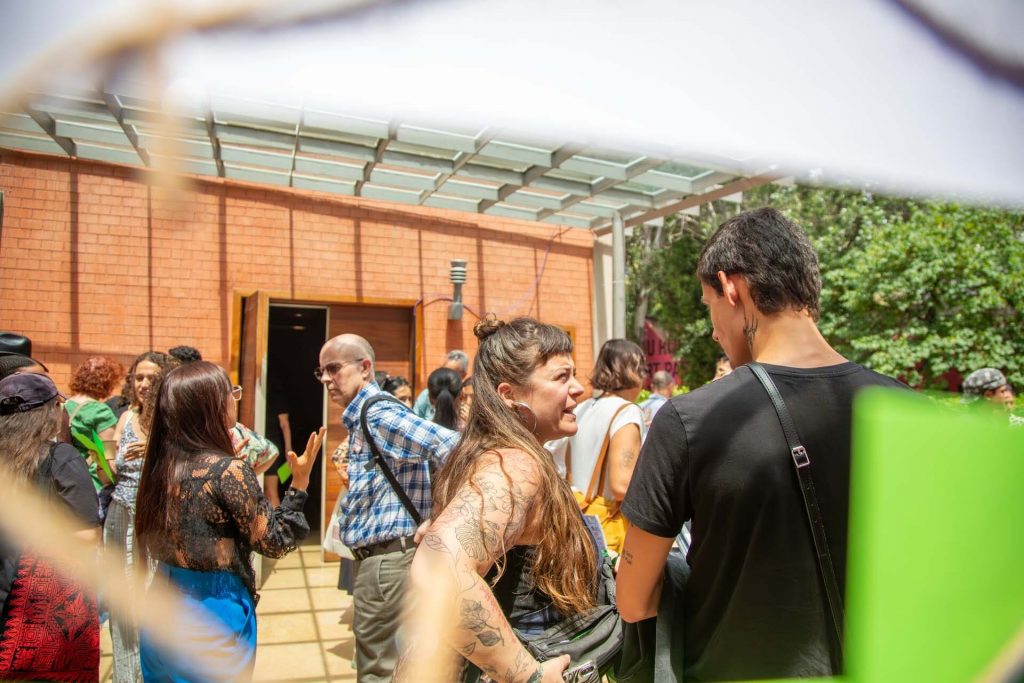
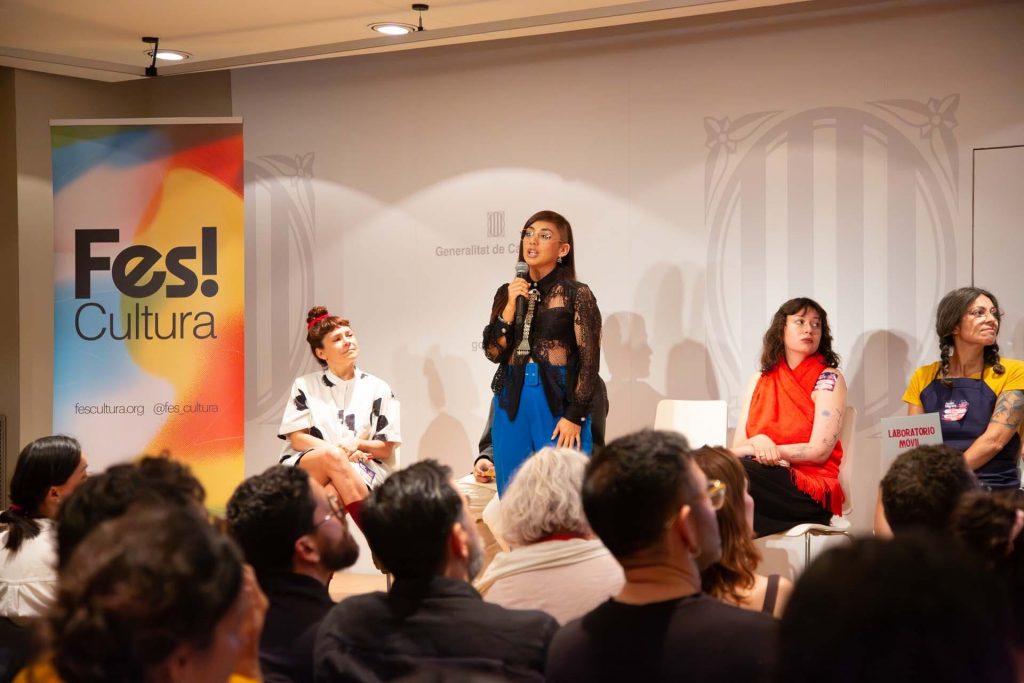
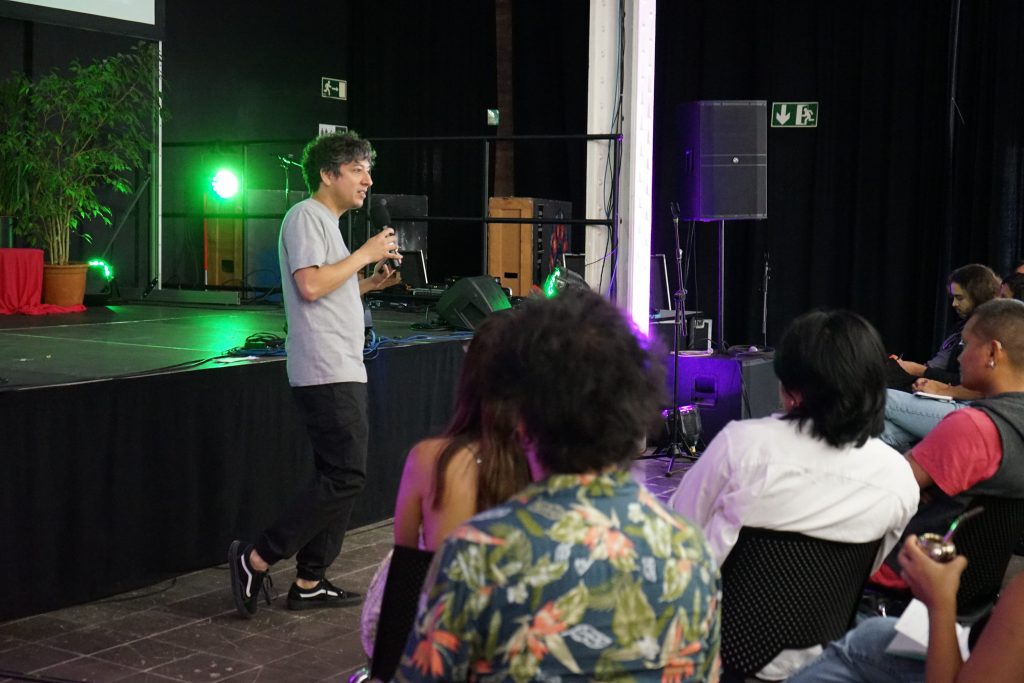
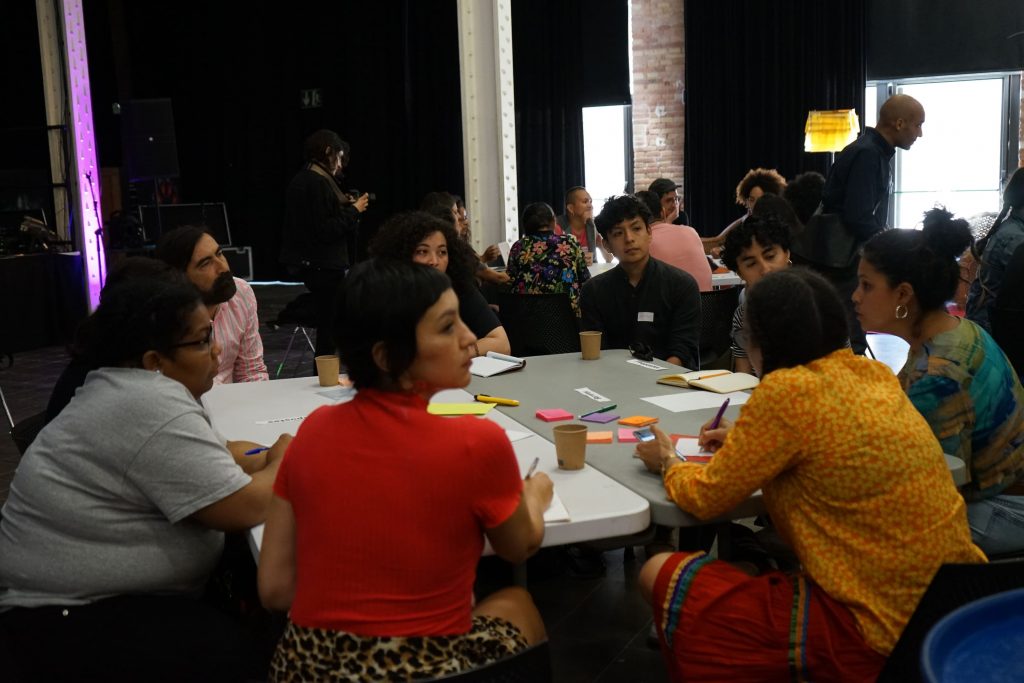
Note: this article gathers various contributions made during the Forum “Cultural Rights: How and for Whom?”, held on May 6 within the framework of AccióMigrant: Festival de culturas en resistencia, in collaboration with Espai Avinyó and Cultura Viva at Fabra i Coats: Fàbrica de Creación. From this event emerged the “12 urgent proposals to break barriers in the exercise of cultural rights by migrant and racialized collectives in Barcelona.”

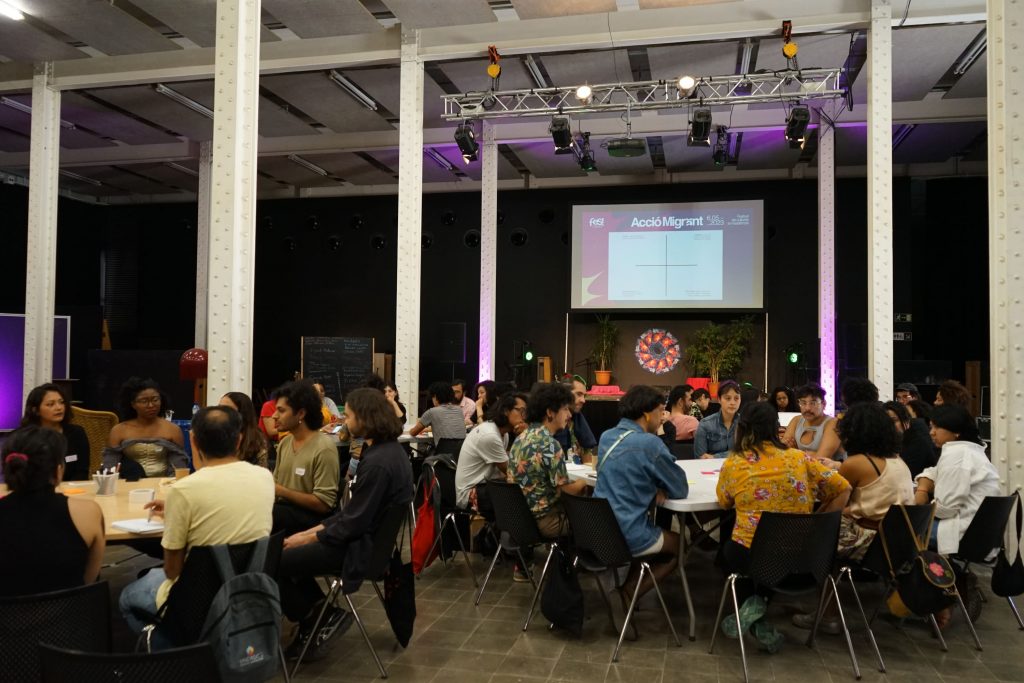
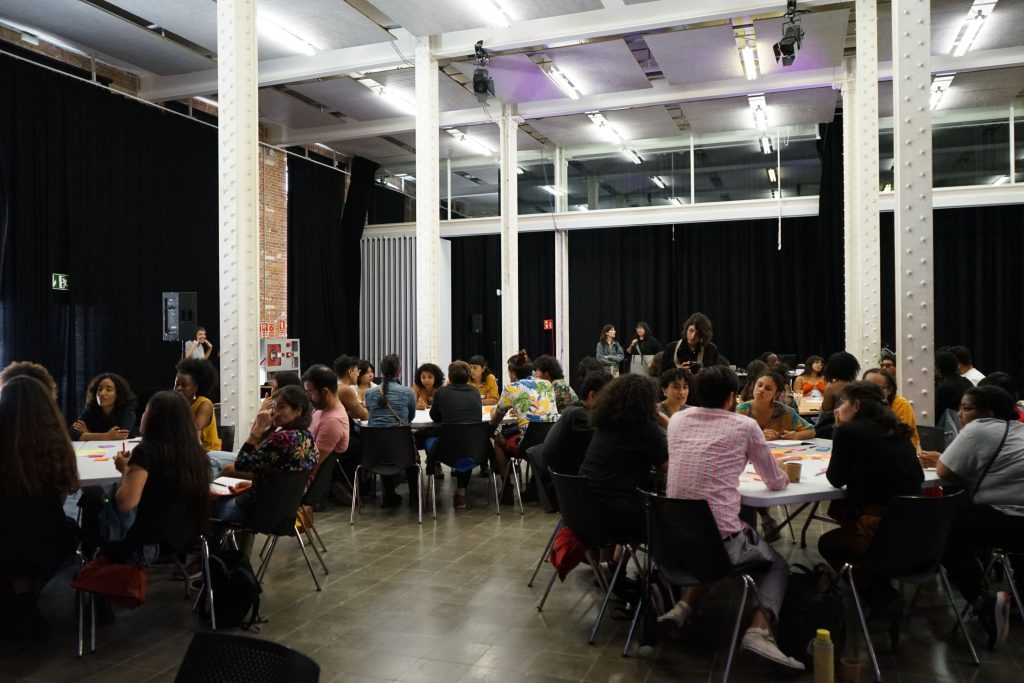
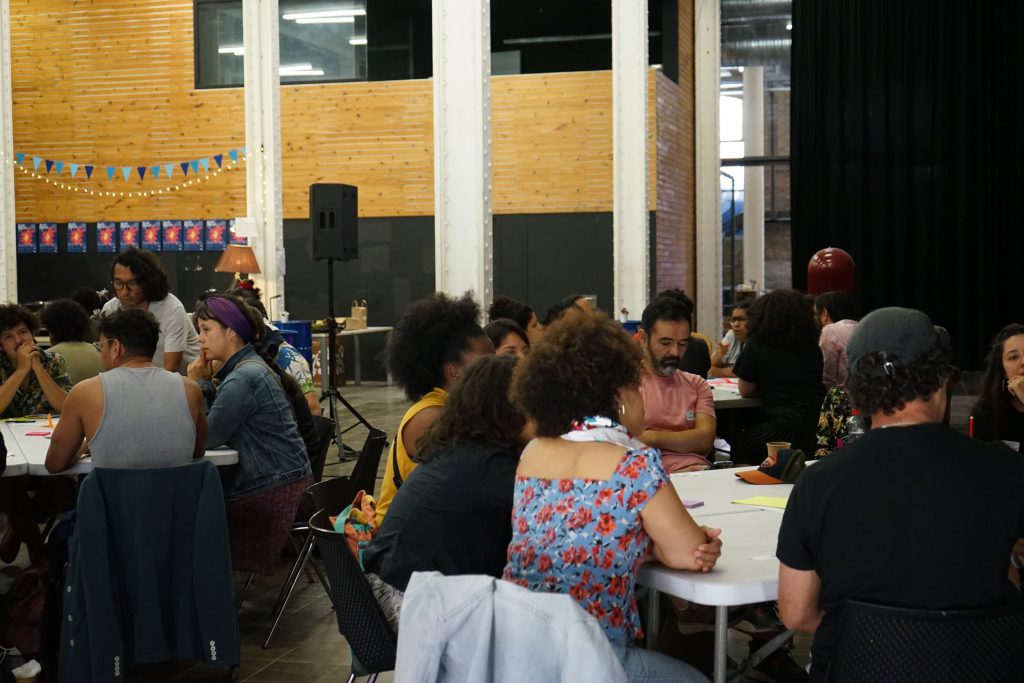
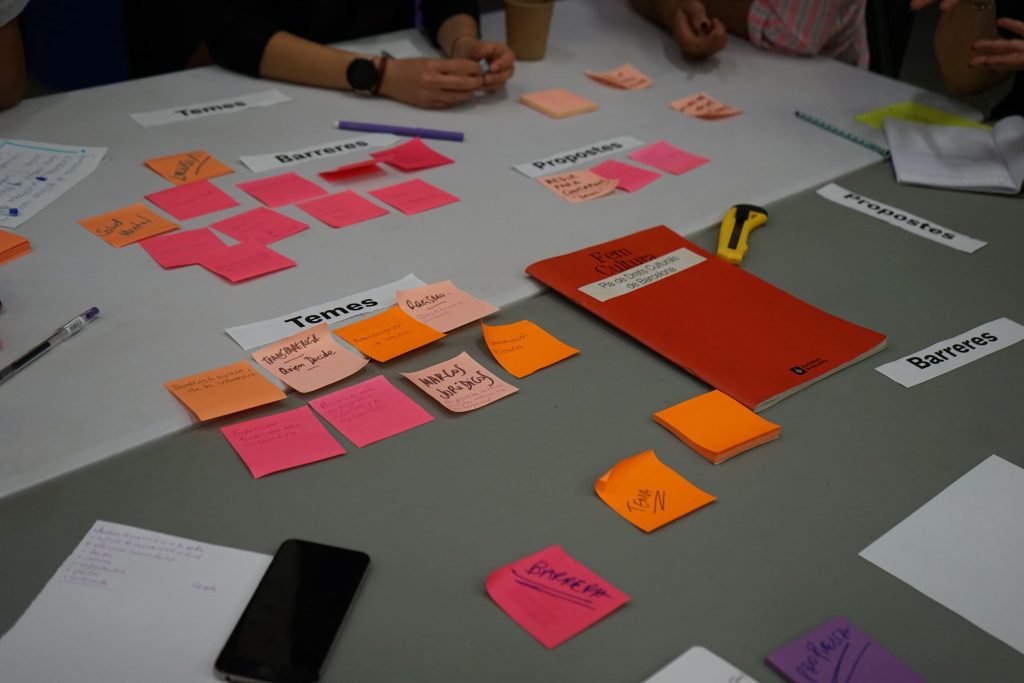
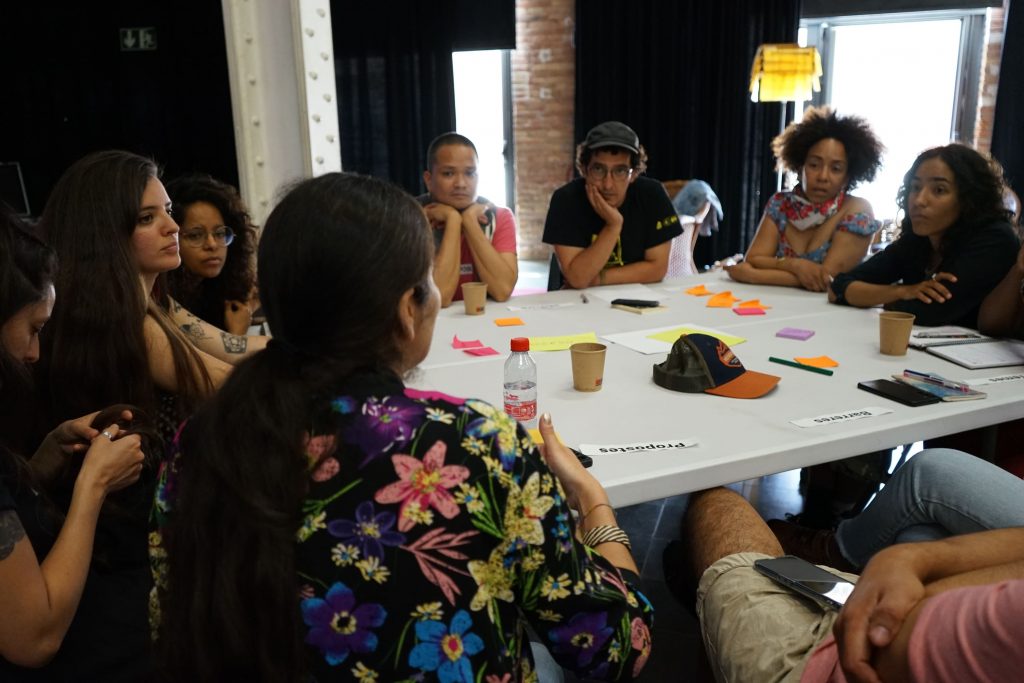
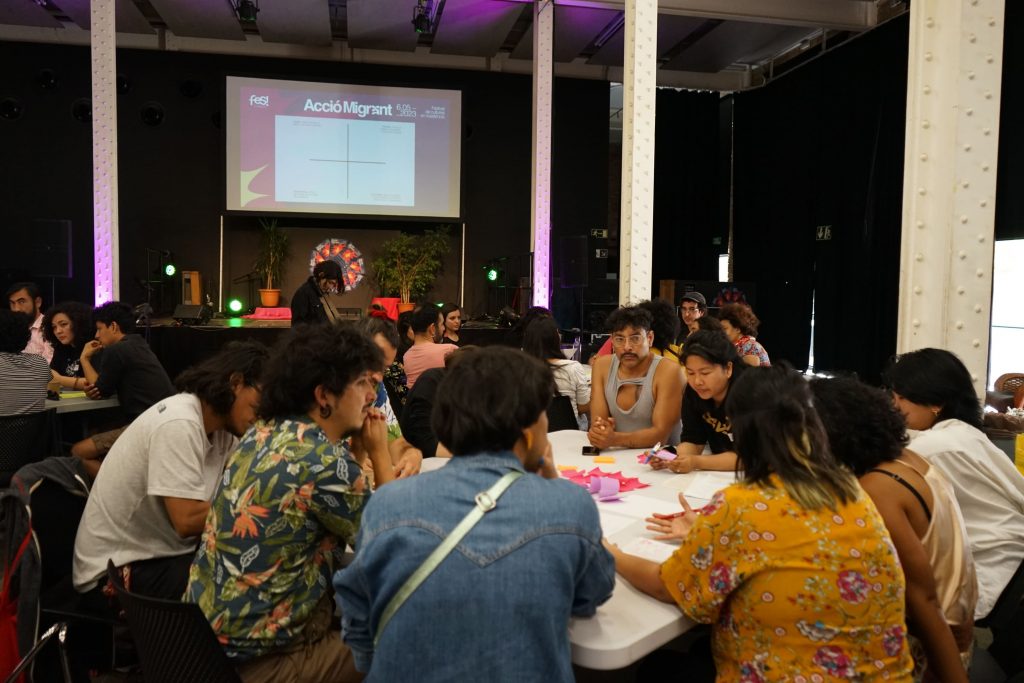
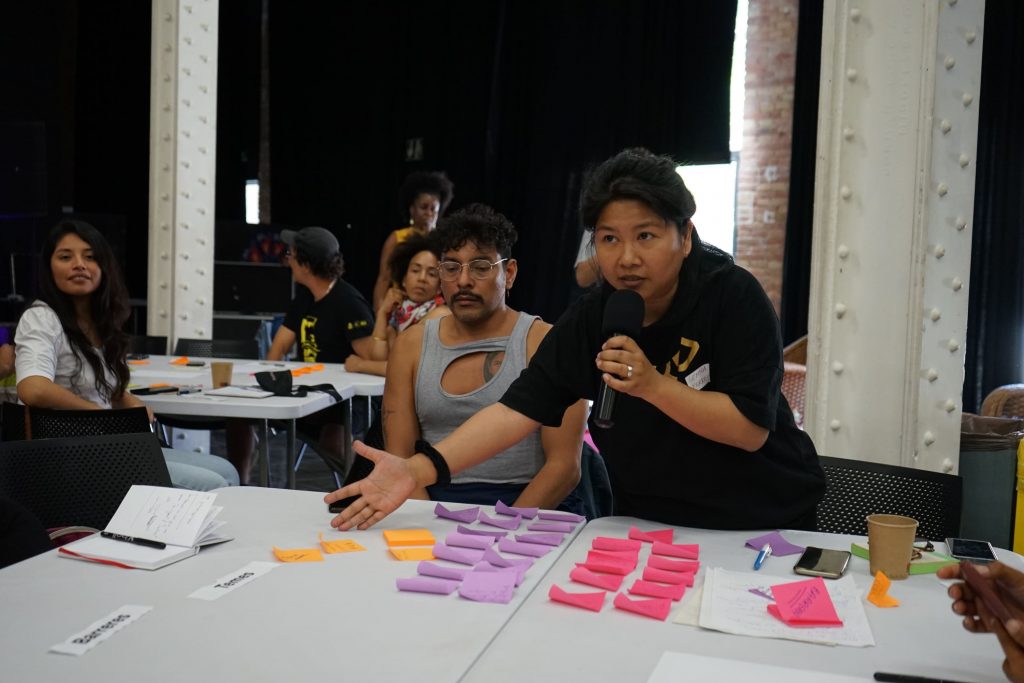
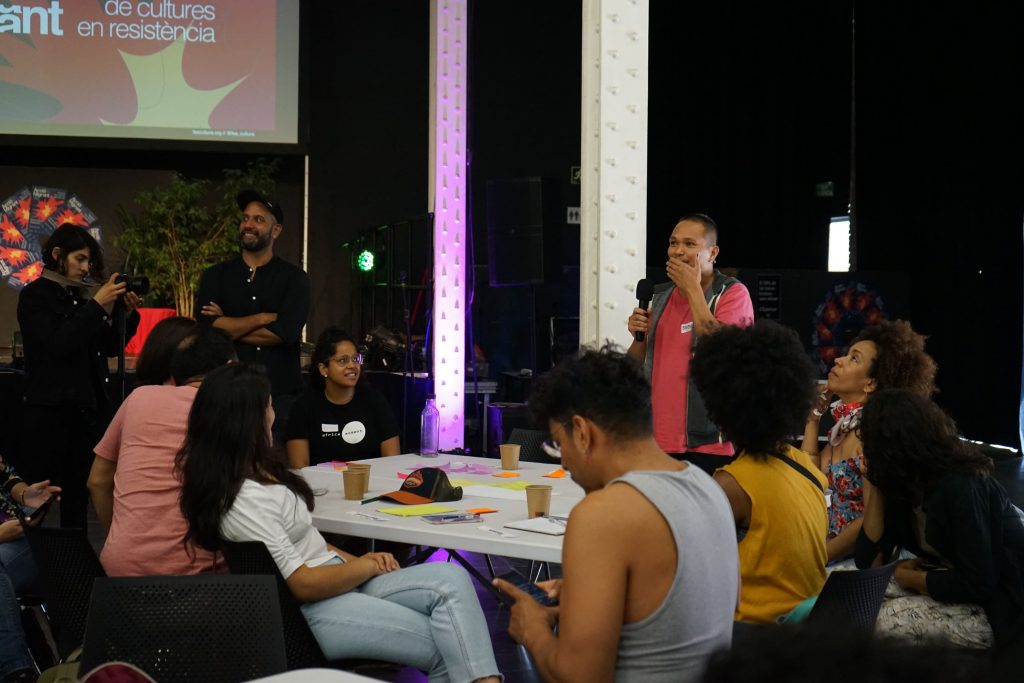
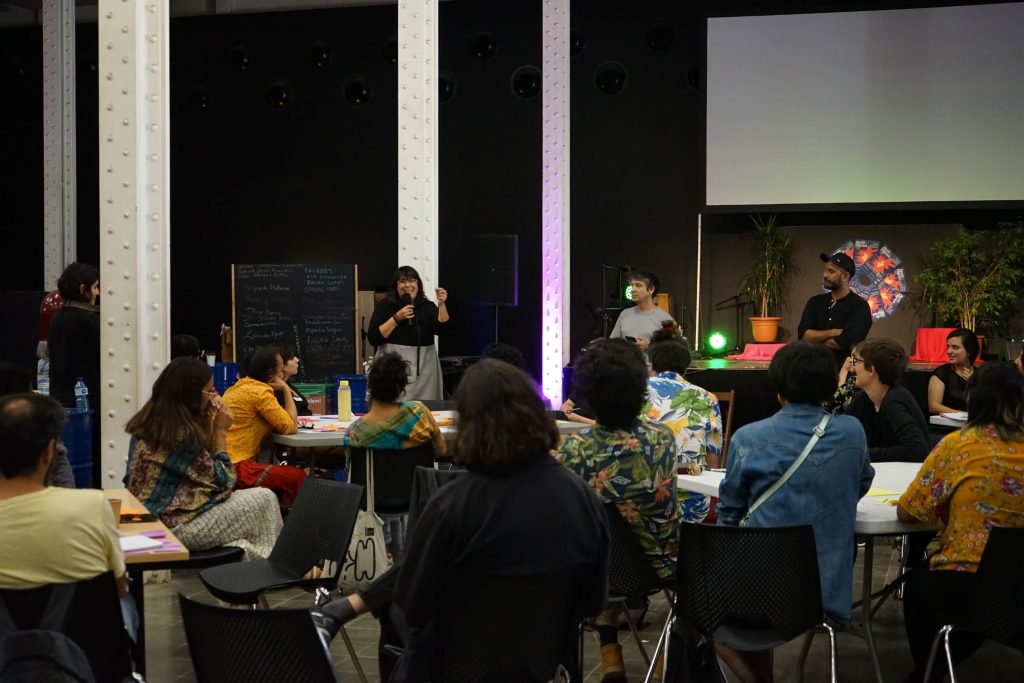
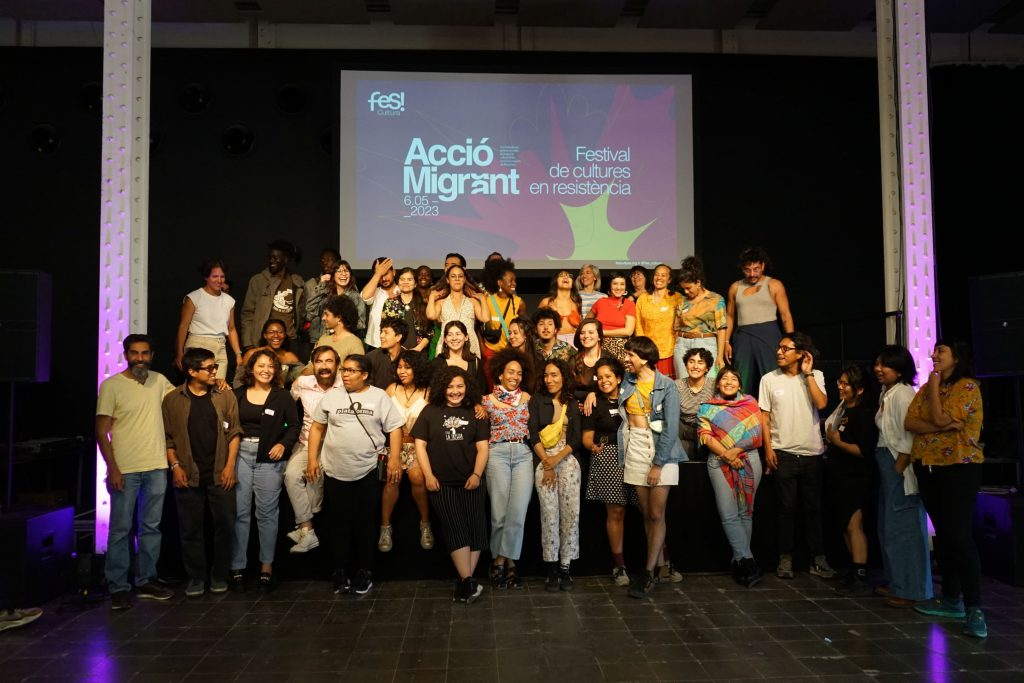
Photos: Violeta Ospina

We are presenting the 3rd edition of the Fes! Festival of Cultures in Resistance #AccióMigrant, which will take place on Friday, June 21 at Fabra i Coats: Fàbrica de Creació. Become a supporter and get your ticket through #FesGoteo.
[Go to the Spanish version]

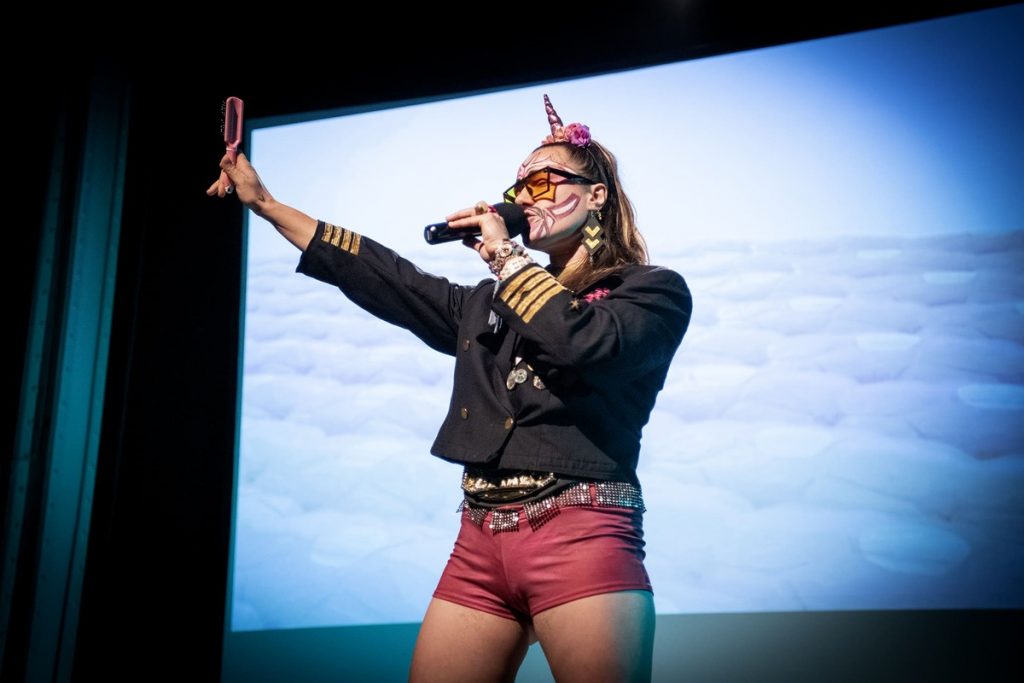
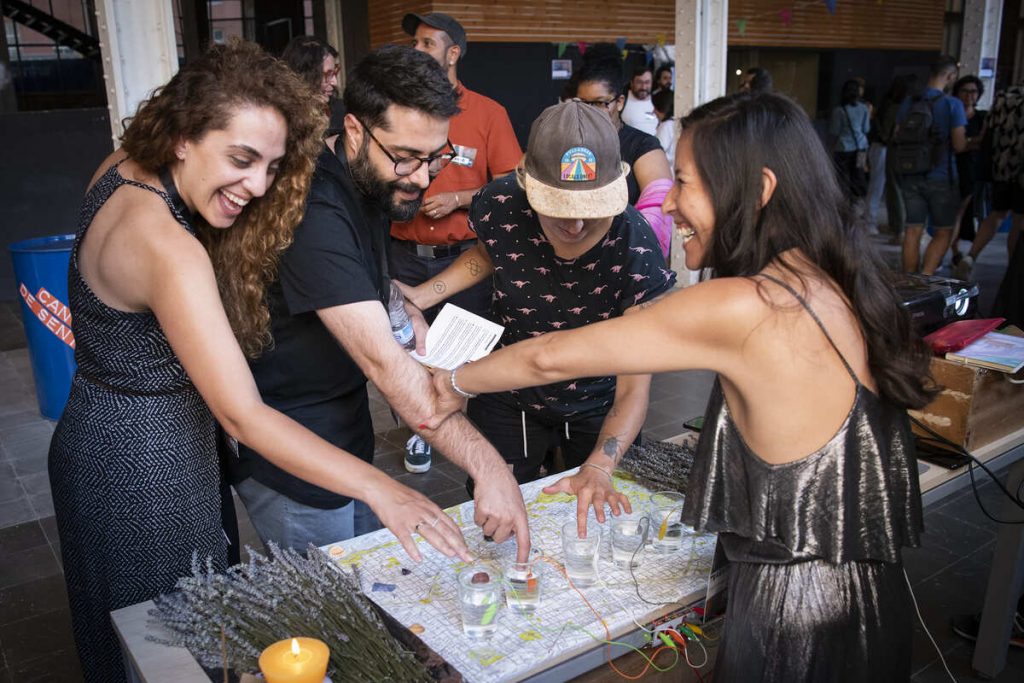
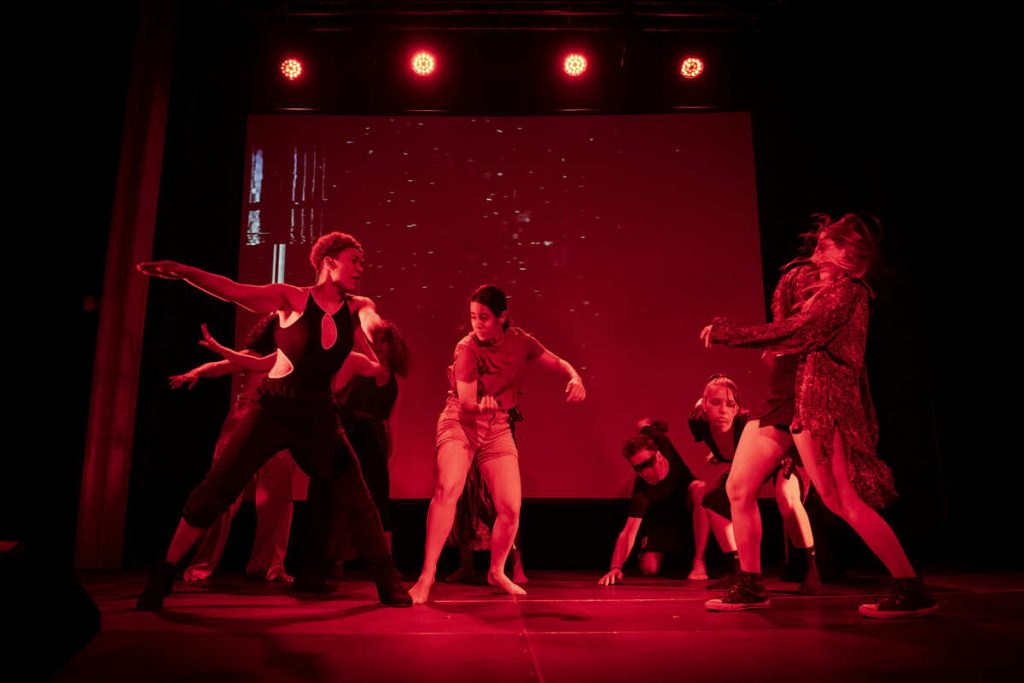
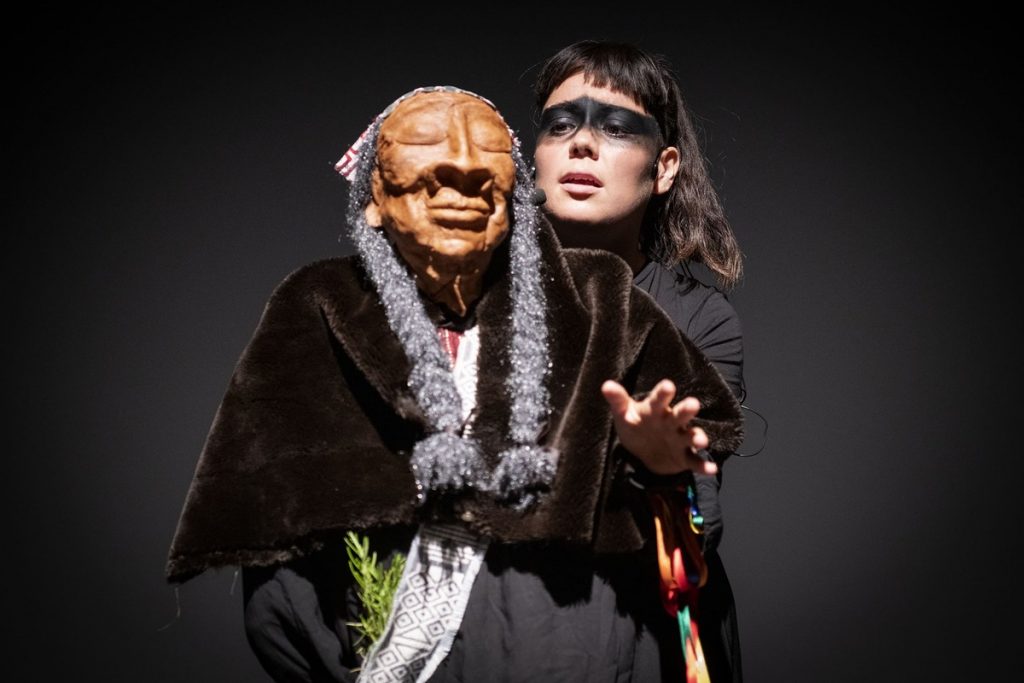
On June 21, from 3:00 p.m. to 11:00 p.m., the collective of artists and cultural promoters of Fes! Cultura presents the 3rd edition of the Fes! Festival of Cultures in Resistance #AccióMigrant 2024. This initiative aims to continue opening spaces within Barcelona’s cultural ecosystem for projects driven by migrant and racialized artists and creators in the city. It is a celebration of collective strength that seeks not only to showcase projects, but also to create networks and connections around a diverse, conscious, and sustainable culture.
It will be a full day of activities including:
Music, visual arts, gastronomy, performing arts, photography, audiovisual practices, community culture, artistic education, cultural space management, radio, among others. This year, thanks to an alliance with the Cultura Viva, programme, we will feature invited musical artists to celebrate Music Day and the summer solstice.
Fes! Festival of Cultures in Resistance #AccióMigrant aims to continue opening spaces within Barcelona’s cultural ecosystem for projects led by migrant and racialized artists and creators in the city. To continue this work, we invite everyone to support the collective funding campaign #FesGoteo. Become a supporter and get your tickets. The funds raised will help cover management and production costs, as well as provide food and drinks for the more than 60 artists and cultural promoters who will take part in the festival. Supporters will gain access to a variety of rewards, ranging from tickets to books, T-shirts, and risograph posters with exclusive designs, among others.
By becoming a supporter, you secure an afternoon of art, music, and celebration while contributing to the promotion of an anti-racist culture that defends the rights of everyone living in this territory.
We look forward to seeing you at the Fes! Festival of Cultures in Resistance #AccióMigrant!
PRACTICAL INFORMATION
*Limited capacity
Fes! Cultura is a self-managed social economy project. All income will be allocated to covering the production costs of the event. Help us continue opening spaces within Barcelona’s cultural ecosystem — become a supporter and share the campaña de Goteo.
Instagram: @fes_cultura
Facebook: @fesculturabcn
Twitter: @fes_cultura