
migrant culture, community and collective action
Meeting in Valencia · 16 and 17 November 2026
Presentation
In Spain, there is a broad local cultural fabric involving artists, cultural practitioners, collectives and organisations from very diverse backgrounds. They create, produce, organise, build community and generate knowledge from the territories they inhabit. Their practices enrich cultural languages, narratives and forms of participation, although they do not always have equal access to resources, networks, programming and recognition spaces, or places where decisions are made.
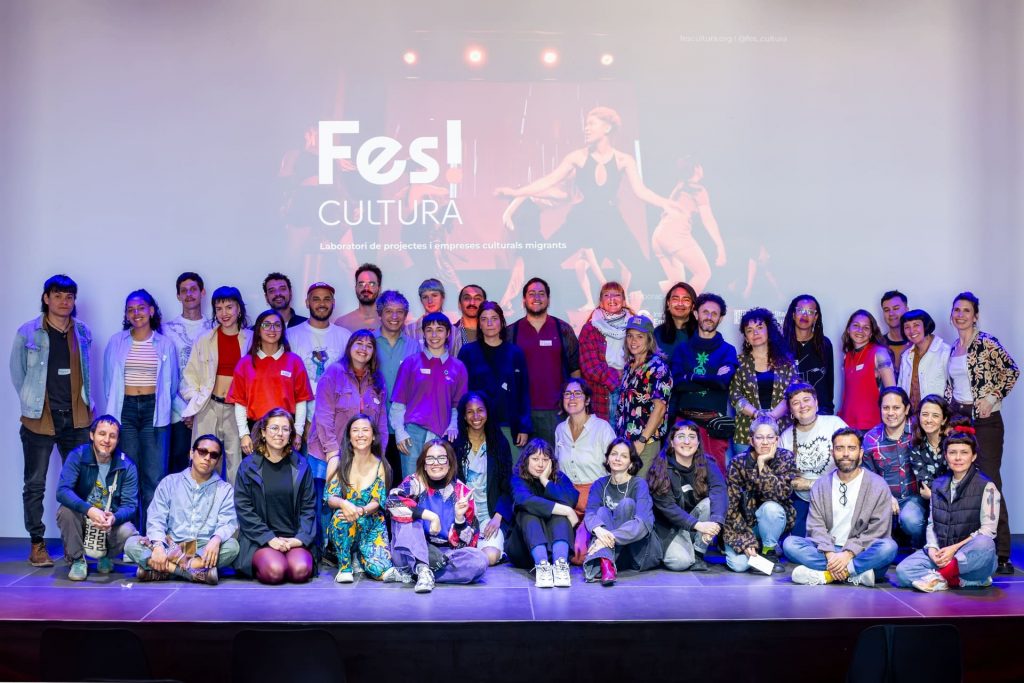
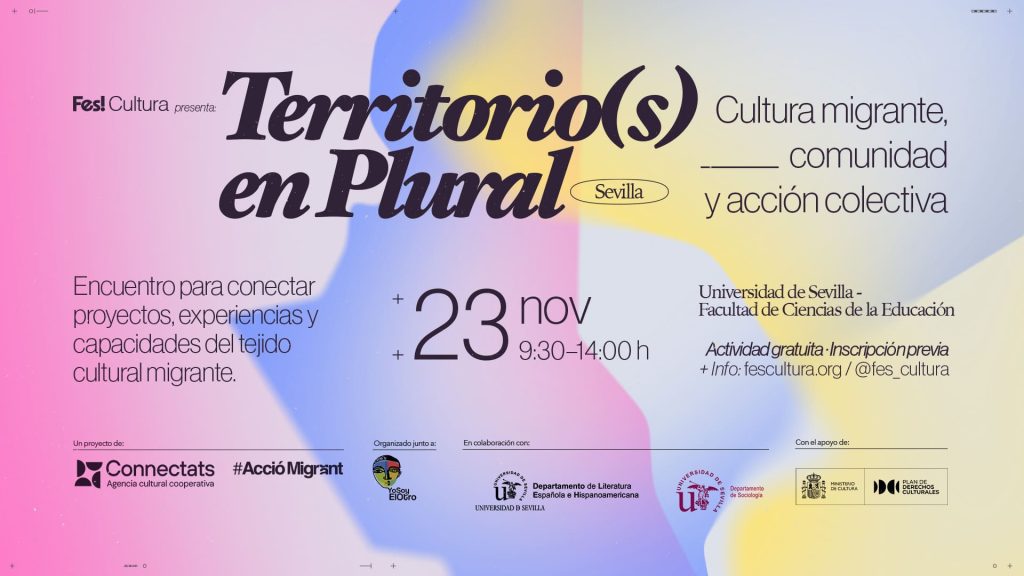
Fes! Cultura, in collaboration with Asociación Adonar, the Ekoka project, Asociación Fractals Educación Artística and Universitat de València, through the Observatori Cultural and the Unitat d’Igualtat i Diversitat, presents Territorio(s) en plural: cultura migrante, comunidad y acción colectiva – Valencia, a space for meeting and collaborative work to recognise this cultural fabric, connect experiences and explore how to strengthen it. Through conversations, presentations of experiences and spaces for collective thinking, we will address the barriers that shape participation while identifying the capacities, knowledge, resources and opportunities that already exist in the territory.
Strengthening this fabric is an opportunity to reinforce collective capacities, share tools and resources, build new alliances and expand the capacity for action of those who make culture, from an anti-racist perspective. Greater coordination helps advance the effective guarantee of cultural rights, broaden opportunities for participation and collective organisation, and contribute to more diverse, open and democratic cultural ecosystems.
The nationwide expansion of Fes! Cultura seeks to connect these learnings and capacities across territories and begin building a broader community around this goal. We have already been to Pamplona and will also stop in Seville.
Programme
Monday 16 November
A morning of meeting and collaborative work to recognise and connect Valencia’s migrant and racialised cultural fabric. Through a conversation with local cultural practitioners, spaces for exchange and collective work, we will explore active practices, existing barriers and opportunities, and the conditions needed to strengthen participation, recognition and the capacity for action of those who make culture in the territory.
9:45 h · Arrival and registration
Reception of participants, registration and initial welcome.
10:00h · Opening of the day
A joint welcome from the partner organisations and an introduction to the framework of Territorio(s) en plural: a proposal to recognise and connect the migrant cultural fabric, strengthen relationships and expand opportunities for participation, collaboration and influence.
Presented by: Rosa Mochales, Director of the Unitat d’Igualtat i Diversitat at the Universitat de València.
10:15 h · Introduction to Fes! Cultura
Introduction to Fes! Cultura.
10:30 h · Conversation on Valencia’s cultural fabric with local practitioners
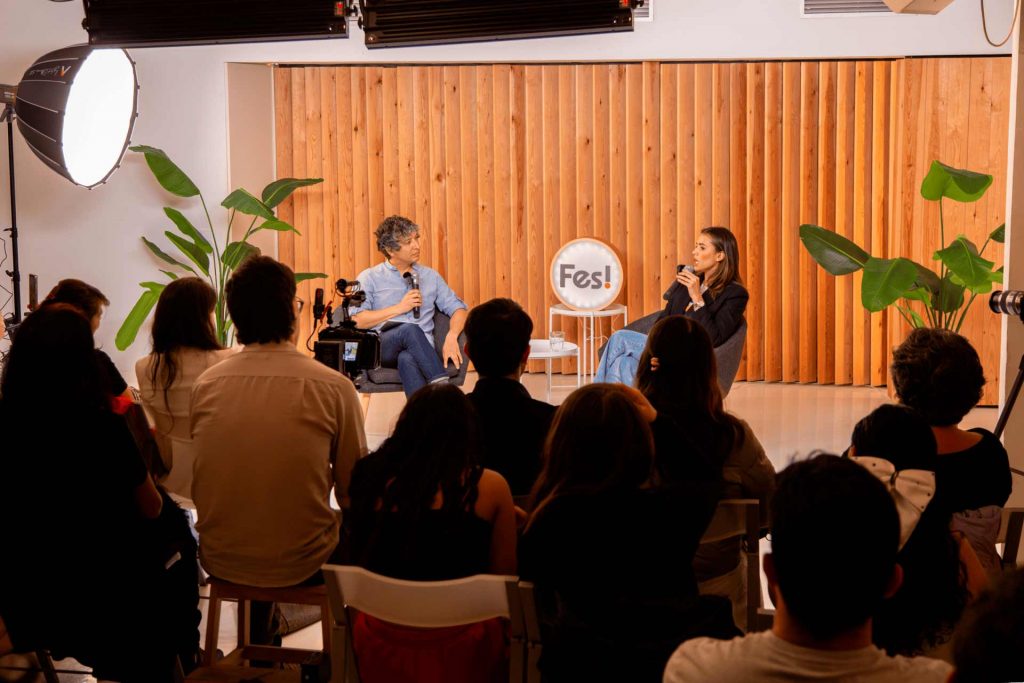
An open conversation with local practitioners and key figures to learn about and share different perspectives on Valencia’s migrant and racialised cultural ecosystem. Drawing on the experience of artists, associations, projects and other practitioners already working in the territory, we will discuss the practices shaping it, the challenges and barriers affecting participation and recognition, the strategies being developed, and the experiences that are paving the way. Building the future means thinking collectively about the conditions needed to strengthen this fabric and expand its opportunities for participation, collaboration and influence.
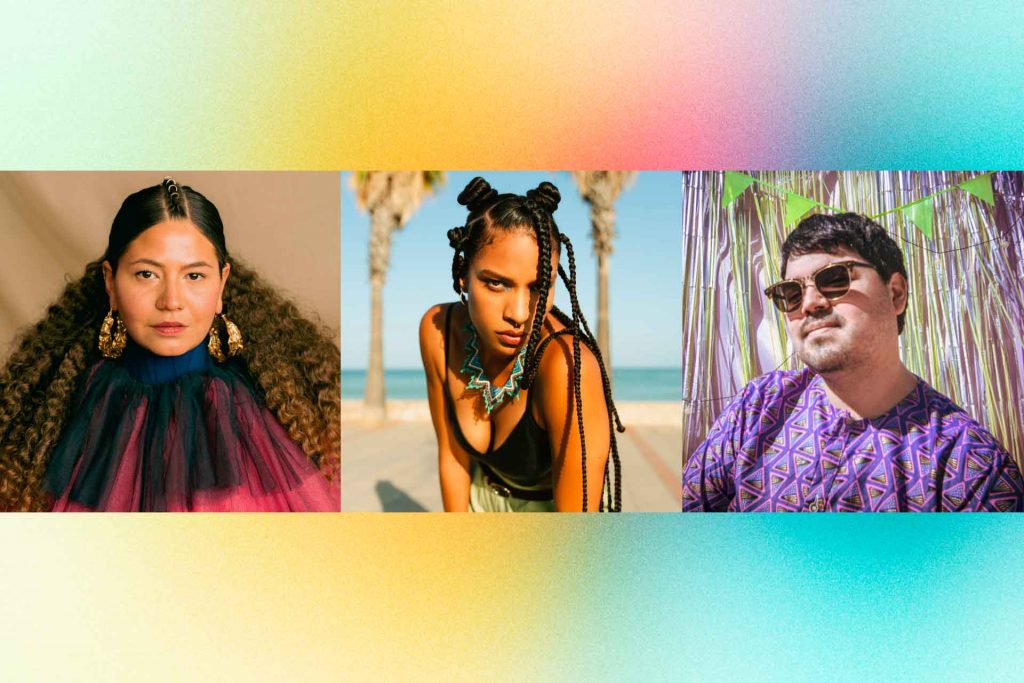
Participants: Deborah Ekoka (Ekoka), Valentina Romero Maleza (Guaricha Produccions y Micelios Antirracistas) y Salomé Carvajal-Ruiz (Resistencia Migrante Disidente y diversitats).
11:30 h · Coffee break and project wall
A break to explore the project wall and encourage informal conversations among participants. An opportunity to learn about initiatives, organisations and participants, share interests and needs, and begin opening up possible collaborations.
12:00 h · Introduction: Cultural rights for whom?
Presentation of the Fes! Cultura framework for addressing cultural participation from an anti-racist and intercultural perspective.
The session will begin with a central question: who can participate in culture, under what conditions and with what decision-making power? From there, we will share key ideas for thinking about programming, project design and cultural action through diversity, recognition and equal opportunities.
12:15 h · Working groups: diagnosis and proposals
Collaborative work among projects, organisations and institutions to identify the barriers, conditions and opportunities needed to strengthen an anti-racist cultural ecosystem in Valencia.
Facilitated by: Melisa Wainberg from Asociación Adonar, with support from Fes! Cultura.
13:00 h · Sharing and conclusions
A joint review of the work carried out in the groups to share learnings, identify common issues and gather proposals. A space to recognise shared priorities and begin identifying possible lines of collaboration and actions that can continue the work developed during the day.
13:30 h · Interaction between projects, institutions and practitioners
A walk around the project wall and a networking space for participants, institutions, programmers, organisations and cultural practitioners. An opportunity to share resources, interests and needs and explore possible avenues for collaboration.
13:50 h · Closing
Recap of the day’s main learnings, presentation of next steps and avenues for collaboration, and farewell.
14:00 h · End of meeting
Tuesday 17 November · Valencia negra, a guided walk with Deborah Ekoka
A collective walk facilitated by Ekoka, open to registered participants. The activity will extend the day’s reflections through the territory, urban memory and anti-racist cultural practices in the city.
Meeting point: Entrance to the Iglesia de los Santos Joans.
Who is it for?
This initiative is aimed especially at people, projects, organisations and institutions connected to migrant and racialised culture in Valencia, as well as other cultural ecosystem practitioners interested in strengthening diversity, participation and cultural rights.
The activity is open to:
- Migrant and racialized artists and creators
- Cultural agents and professionals
- Migrant and racialized collectives, associations, and organizations
- Cultural and community projects
- Independent spaces and cultural facilities
- Networks, platforms, and cooperatives
- Universities and educational spaces
- Public administrations and cultural institutions
Participants
Dagmary Olívar (Asociación cultural YoSoyElOtro), Hassan Sall (Asociación Cultural Sevilla Negra), Ana Santa Cruz (Compañía Ana Santa Cruz), Miguel Ángel Vargas (Investigador y artista independiente), Diego Salazar y Gigi Ríos (Fes! Cultura).
Info
Participation: Free activity, advance registration required.
Contact: hola@fescultura.org
Web: fescultura.org
Instagram: @fes_cultura
Meeting· MONDAY, November 16, 2026
Time: 9:45 a 14:00 h.
Location: Facultad de Ciencias de la Educación de la Universidad de Sevilla. C. San Fernando, 4, 41004 Sevilla.
How to get there: Metro: estación Puerta Jerez (línea 1). Tranvía: parada Puerta Jerez (línea T1). Autobús: líneas C1, C2, C3, C4 y 5.
Supported and organised by
Fes! Cultura is an initiative of Connectats Cooperativa aimed at strengthening cultural projects, organisations and ecosystems through training, connection, knowledge production, and the development of tools and resources.
This initiative takes place within the framework of Fes! Cultura #AccióMigrant, a line of work that promotes the participation of migrant and racialised artists and cultural practitioners and seeks to transform the conditions that generate inequality in the cultural ecosystem by building connections with local organisations, cultural venues and networks.
Led by: Connectats Cooperativa · Fes! Cultura
In collaboration with: YoSoyElOtro Asociación Cultural, Departamento de Sociología y Departamento de Filología · Universidad de Sevilla.
With the support of: Ministerio de Cultura · Plan de Derechos Culturales.